On Sunday evening, we began once more looking at the Mahasatipatthana Sutta, in the Digha Nikaya. The Digha Nikaya are the longer discourses of the Buddha found in the Pali Buddhist Canon and the Mahasatipatthana Sutta, or The Greater Discourse on the Foundations of Mindfulness, is considered by many to be the most important sutra in the entire Pali Canon.
The sutra begins with the Buddha stating there is "this one way to the purification of beings, for the overcoming of sorrow and distress, for the disappearance of pain and sadness, for the gaining of the right path, for the realization of Nibbana (Nirvana): - the four foundations of mindfulness."
Buddha goes on to describe the four practices. A practitioner "abides contemplating body as body, ardent, clearly aware and mindful, having put aside hankering and fretting for the world" and likewise contemplating feelings as feelings, mind as mind and mind-objects as mind-objects.
What does it mean to contemplate "body as body" or "feelings as feelings"? It is simple, bare, clear awareness of the body just as it is without analyzing, associating or judging and the clear, mindful awareness of the arising and passing away of feelings just as they are.
Buddha goes on to describes each of the mindfulness practices. The practitioner "sits down cross-legged, holding his body erect, having established mindfulness before him. Mindfully, he breathes in, mindfully he breathes out. Breathing in a long breath, he knows that he breathes in a long breath. Breathing out a long breath, he knows that he breathes out a long breath." Likewise for a short breath. She breathes in "conscious of the whole body" and "breathes out calming the whole bodily process". She "abides contemplating arising phenomena in the body" ... "vanishing phenomena in the body" ... "not clinging to anything in the world."
When I first read this sutra, I had already been a meditator for 30 years but, it was the first time I heard the instruction in the Buddha's own words. There was an immediate connection with the Buddha, like a kind of telepathy that transcends time and space and transmits the teaching very directly. All the years of practice were suddenly grounded not only in the tradition of my teachers, Master Sheng-yen and Ven. Chanmyay Sayadaw, but the tradition that the Buddha himself originated. I suddenly had such a reverence for the Buddha as the original teacher of the Dharma, his singular importance in world history, and of the teaching itself. How wonderful it is that the Sangha, the community of monks, nuns, and lay Buddhists have preserved this teaching so well for this generation! It naturally makes one want to do the same for future generations.
There is an unfortunate trend in recent times of students of the Buddhist way that reach a certain level of experience and proclaim themselves to be teachers, not of Buddhadharma, but of their own special brand of enlightened insights. Instead of giving all credit to their teachers, the tradition, the Dharma, they place emphasis on their own experience, insights and abilities and rarely, if ever, mention the Buddha. The teaching is often very close to the Buddha's teaching. They teach about mindfulness, about insight, about meditation, about being in the present but without taking refuge in the Buddha, Dharma and Sangha, the "Triple Gem" that ensures the perpetuation of the teaching. Some proclaim themselves enlightened beings, avatars, or self-appointed gurus. They develop a kind of cult following that rarely lives beyond their own life here on earth. By contrast, no truly Buddhist teacher I have known has ever proclaimed him or herself to be enlightened. All that I have known give all credit to their teacher and the Triple Gem. In this way, they protect against the delusion of self, even of Universal Self, and ensure the longevity of the Buddha's teaching. If any Buddhist teacher ever proclaims to you that he or she is enlightened, you can be sure that he or she is most certainly not enlightened and not a true Buddhist. Buddhists have no need of such designations or identification. Teachers that use the Buddha's teaching as a springboard for their own personal brand may be able to lead their students to a certain level of insight, but whether it is liberation in the Buddhist sense is highly doubtful and they are doing a great disservice toward preserving the integrity of the Buddhadharma for future generations. Be very heedful of such teachers.
Through the Buddha's discourses, we have available the Buddha himself as our teacher and we need no other, yet we are blessed and show reverence and veneration for his Sangha of monks and nuns that are especially dedicated to living and preserving his teaching.
Over the next few weeks, we'll be reading through the Mahasatipatthana Sutta and learning the path to liberation as the Buddha himself taught it.
After our walking and sitting meditation periods, we discussed how as children we were at times naturally able to be very mindful and simply aware with bare awareness to everything around us. Our assignment this week is to remember such times when we had clear, settled awareness of our environment, perhaps feeling the sunshine on our face, the wind flow around us, the warmth of the sidewalk beneath our bare feet or the coolness of grass between our toes, the sound of a bee buzzing, the perfect shape of a cloud in the sky. As children we could naturally see with clear, direct perception. Our assignment is to consider how it is we lost this ability and how we can regain it. We'll share with each other our insights about this next Sunday evening. Hope to see you then!
With Metta,
Barry
http://www.chancenter-sacramento.org
http://www.meetup.com/bodhisattvapath
Tuesday, February 28, 2012


Tuesday, January 24, 2012
100th Chan Meditation Meetup and the Four Noble Truths
Sunday evening was the 100th Chan group meditation session since I started this meetup in 2006! It was a cold, wet night, but even so four people drove all the way from Stockton to attend and were so appreciative. I feel that as long as there is even one person interested in practicing Chan or Buddhist meditation, I'm willing to help them as best I can and can introduce them to others more capable if they can use more than I can offer. This is the advantage of being part of a larger international Sangha, founded by my Shifu, Ven. Master Sheng Yen. His Dharma Heirs in the U.S. continue his tradition of giving the direct experience of Chan.
The focus of this group is to teach Buddhism from the inside out. In this group, we begin by experiencing the fruits of the teaching and use the teaching to understand and reenforce what we are experiencing. This is really the only way to learn what the Buddha taught. Our Shifu was highly skilled in teaching in this way, by giving the direct experience of the truth of the teaching.
With the New Year we began to discuss the Four Noble Truths, the first discourse of the Buddha after his enlightenment. The Four Noble Truths are that:
1. In life there is dukkha.
2. There is the possibility of the cessation of dukkha.
3. For this to occur, we need to understand the cause of dukkha.
4. Having understood the cause, we need to follow the path that leads to the cessation of dukkha.
So, what is dukkha? Dukkha is commonly translated from the Pali and Sanskrit as "suffering". But, dukkha has a broader meaning than that in Buddhism. Dukkha ranges from mild dissatisfaction to intense misery in life covering the entire spectrum of human existence, even including happiness. Even when we are happy, there is dukkha, an underlying apprehension that happiness won't last. And experience bears this out, that happiness is impermanent, fleeting.
In the spirit of learning Buddhism from the inside out, our assignment last week was to be aware of this dukkha arising in our life. Chan meets life head on. Chan is not for people that want to gloss over the unpleasant or escape from what is actually there, but to face whatever comes our way with clarity and determination. From what I heard tonight, this was certainly an undertaking worthy of the way of Chan. Just this awareness that there is dissatisfaction arising helps us look to the cause, the Third Noble Truth. And with the understanding of the cause, we gain insight into the Second Truth, that there is a possibility of the ending of dukkha. We gain insight into the Fourth Noble Truth, the way out of suffering in life.
A participant tonight commented that dukkha was arising due to conflicting desires and aversions. On the one hand, he wanted to eat alone at work but on the other wanted to hang with coworkers. There was a mixture of feelings that created this overall feeling of dissatisfaction. He also related arriving home to a messy kitchen and feeling vexed that he had to clean up after his daughter and how after becoming aware of this vexation, he was able to turn washing the dishes into an opportunity to be fully present. His wife commented how it is the things that are out of our control that cause us to become upset and on realizing this "dukkha" arising, she saw that it was a waste for her to be upset over things she could do nothing about.
The Buddha highlighted the cause of suffering as aversion and craving. During our sitting and moving meditation sessions, we set up the conditions to experience what it is like to be without aversion and craving for longer and longer periods of time. At first, this experience is just like a gap in the continuum of experience. As we learn to settle into meditation and become more focused on our method, we settle further and further into bright, clear, pure awareness. What was a silent gap becomes illumined and in this serenity, we see thoughts arising just as vapor arises from a lake or from a horse's back after a long run on a cool day. The thoughts no longer grip the mind. The mind no longer attaches to them only to be carried away by them. These thoughts are just vaporous phantoms, just a release of some stress incurred long ago. The mind is no longer bound by them but merely reflects their arising and passing away. This gives insight into the possibility of the cessation of suffering and the path leading to liberation from suffering. As we learn to let go of even the notion of self, what remains is a deep, abiding sense of contentment, equanimity.
Of course, this does us no good if we can only experience it on the cushion.
We alternate between sitting meditation and forms of moving meditation so that we can learn to stretch that equanimity into the phenomenal world and retain deep contentment even in a dentist's chair!
We look deep into motion. With bright, clear, settled awareness we track every increment of movement to penetrate to the core of motion. And there, though we are moving as slowly as possible in our walking and moving meditation, we find unceasing change, interrelated causes and conditions happening at an incredible speed. As we look deeper, we peer into the silence that permeates this unending change, that renders change itself into a play of silence. We peer into a universe where change and silence are fused into a oneness that is inseparable from the bright, clear, serene awareness that experiences this silence-infused change. Once we peer into motion at this level, whenever we get up out of a chair at work and begin to walk it will be there. When we brush our teeth it will be there. When we chew our food we are nourished not only by the food but by the act of chewing itself. We become fully present to life, dukkha subsides as it is displaced with an unshakeable sense of contentment and well being. We are free of the aversions and craving that drove us to live life without being present, without having the time and space to really choose. We were slaves of our impulses that drove us through our day while giving us the illusion of being in control. When we have this experience of being fully present, we suddenly realize that we were never in control, we were mere puppets of our tyrannical egos that caused us nothing but problems in life. When pure awareness with no sense of self acts, everything that needs to get done gets done with efficiency and clarity, yet without the oppression of the petty self driving the process while numbing the mind into submission.
This self that has pinched itself off from the rest of the universe creating the illusory duality of "me vs.everything else", this illusory self is the only thing blocking liberation from this pervasive dukkha in life. As people gain deeper experience in meditation, they begin to intuit and later to clearly see that abandoning this petty notion of a separate self is the only way to see things as they truly are. This seeing is liberation.
The assignment for this week is to look at what is causing the dukkha that is arising. Also, each day, pick something new for mindfulness practice. Be fully aware, fully present as you add this activity to your repertoire.
Next week we will focus on the Fourth Noble Truth, path that leads to the cessation of dukkha. Hope you can make it to our 101st Chan session!
Happy Chinese New Year!
With Metta,
Barry
http://www.chancenter-sacramento.org
http://www.meetup.com/bodhisattvapath
The focus of this group is to teach Buddhism from the inside out. In this group, we begin by experiencing the fruits of the teaching and use the teaching to understand and reenforce what we are experiencing. This is really the only way to learn what the Buddha taught. Our Shifu was highly skilled in teaching in this way, by giving the direct experience of the truth of the teaching.
With the New Year we began to discuss the Four Noble Truths, the first discourse of the Buddha after his enlightenment. The Four Noble Truths are that:
1. In life there is dukkha.
2. There is the possibility of the cessation of dukkha.
3. For this to occur, we need to understand the cause of dukkha.
4. Having understood the cause, we need to follow the path that leads to the cessation of dukkha.
So, what is dukkha? Dukkha is commonly translated from the Pali and Sanskrit as "suffering". But, dukkha has a broader meaning than that in Buddhism. Dukkha ranges from mild dissatisfaction to intense misery in life covering the entire spectrum of human existence, even including happiness. Even when we are happy, there is dukkha, an underlying apprehension that happiness won't last. And experience bears this out, that happiness is impermanent, fleeting.
In the spirit of learning Buddhism from the inside out, our assignment last week was to be aware of this dukkha arising in our life. Chan meets life head on. Chan is not for people that want to gloss over the unpleasant or escape from what is actually there, but to face whatever comes our way with clarity and determination. From what I heard tonight, this was certainly an undertaking worthy of the way of Chan. Just this awareness that there is dissatisfaction arising helps us look to the cause, the Third Noble Truth. And with the understanding of the cause, we gain insight into the Second Truth, that there is a possibility of the ending of dukkha. We gain insight into the Fourth Noble Truth, the way out of suffering in life.
A participant tonight commented that dukkha was arising due to conflicting desires and aversions. On the one hand, he wanted to eat alone at work but on the other wanted to hang with coworkers. There was a mixture of feelings that created this overall feeling of dissatisfaction. He also related arriving home to a messy kitchen and feeling vexed that he had to clean up after his daughter and how after becoming aware of this vexation, he was able to turn washing the dishes into an opportunity to be fully present. His wife commented how it is the things that are out of our control that cause us to become upset and on realizing this "dukkha" arising, she saw that it was a waste for her to be upset over things she could do nothing about.
The Buddha highlighted the cause of suffering as aversion and craving. During our sitting and moving meditation sessions, we set up the conditions to experience what it is like to be without aversion and craving for longer and longer periods of time. At first, this experience is just like a gap in the continuum of experience. As we learn to settle into meditation and become more focused on our method, we settle further and further into bright, clear, pure awareness. What was a silent gap becomes illumined and in this serenity, we see thoughts arising just as vapor arises from a lake or from a horse's back after a long run on a cool day. The thoughts no longer grip the mind. The mind no longer attaches to them only to be carried away by them. These thoughts are just vaporous phantoms, just a release of some stress incurred long ago. The mind is no longer bound by them but merely reflects their arising and passing away. This gives insight into the possibility of the cessation of suffering and the path leading to liberation from suffering. As we learn to let go of even the notion of self, what remains is a deep, abiding sense of contentment, equanimity.
Of course, this does us no good if we can only experience it on the cushion.
We alternate between sitting meditation and forms of moving meditation so that we can learn to stretch that equanimity into the phenomenal world and retain deep contentment even in a dentist's chair!
We look deep into motion. With bright, clear, settled awareness we track every increment of movement to penetrate to the core of motion. And there, though we are moving as slowly as possible in our walking and moving meditation, we find unceasing change, interrelated causes and conditions happening at an incredible speed. As we look deeper, we peer into the silence that permeates this unending change, that renders change itself into a play of silence. We peer into a universe where change and silence are fused into a oneness that is inseparable from the bright, clear, serene awareness that experiences this silence-infused change. Once we peer into motion at this level, whenever we get up out of a chair at work and begin to walk it will be there. When we brush our teeth it will be there. When we chew our food we are nourished not only by the food but by the act of chewing itself. We become fully present to life, dukkha subsides as it is displaced with an unshakeable sense of contentment and well being. We are free of the aversions and craving that drove us to live life without being present, without having the time and space to really choose. We were slaves of our impulses that drove us through our day while giving us the illusion of being in control. When we have this experience of being fully present, we suddenly realize that we were never in control, we were mere puppets of our tyrannical egos that caused us nothing but problems in life. When pure awareness with no sense of self acts, everything that needs to get done gets done with efficiency and clarity, yet without the oppression of the petty self driving the process while numbing the mind into submission.
This self that has pinched itself off from the rest of the universe creating the illusory duality of "me vs.everything else", this illusory self is the only thing blocking liberation from this pervasive dukkha in life. As people gain deeper experience in meditation, they begin to intuit and later to clearly see that abandoning this petty notion of a separate self is the only way to see things as they truly are. This seeing is liberation.
The assignment for this week is to look at what is causing the dukkha that is arising. Also, each day, pick something new for mindfulness practice. Be fully aware, fully present as you add this activity to your repertoire.
Next week we will focus on the Fourth Noble Truth, path that leads to the cessation of dukkha. Hope you can make it to our 101st Chan session!
Happy Chinese New Year!
With Metta,
Barry
http://www.chancenter-sacramento.org
http://www.meetup.com/bodhisattvapath
Sunday, January 15, 2012
Tonight was our 99th group meditation event
Dear Friends,
Tonight was our 99th group meditation practice session. What a blessing it is to have friends to practice with! Buddha said to have such friends is the highest blessing and it's so true. We mutually inspire each other to not only continue the practice but to deepen it, to make it really bear fruit. What better friends can one have than this? This is what is meant by "sangha", the community or fellowship of Buddhist practitioners that produces the whole that is greater than the sum of its parts.
The focus of these first sessions in the new year is establishing a practice or reinvigorating our already established daily practice. Toward this end we are exploring the samatha practice of full awareness of breathing and how this form of meditation provides a foundation for the practice of Vipassana meditation and the Chan or Zen practice of Silent Illumination.
Last week, we used a the technique of being mindful of the beginning, middle and end of each inhalation and each exhalation. As the breathing begins to refine, we also become aware of the gap between the inhalation and exhalation, which can trigger much deeper levels of experience. In the Theravada tradition, these levels are referred to as Jhanas. As a practitioner settles into the first Jhana, there can be an experience of light. Shifting the focus of meditation to this light of pure awareness can lead to a rapturous experience as the mind becomes absorbed in the pure awareness. After a time, the rapturous quality fades and one is left with a pervasive feeling of joy, happiness and contentment. Again, after a time this experience fades and one is left with the a deep sense of serenity or equanimity.
This week as we practiced following the breath, we used another technique that can improve the ability to stay with the method. On each inhalation, we recognize that this breath is life giving and we swell with gratitude for this gift of life. On each exhalation, as if breathing a sigh of relief, we let go of all our tension, worries, burdens, pains, and troubles. We let go of everything. This alteration of breathing in life and breathing out letting go of everything has a very soothing effect on the mind and can help one settle very quickly into quieter, more contented levels of meditation.
Chan Master Sheng-yen taught this practice of following the breath to almost all of his beginner students because it is so foundational. It helps people greatly improve the ability to focus attention, which is instrumental in the unfolding of insight that leads to awakening. In the book Hoofprint of the Ox, and often in his lectures and retreats, Master Sheng-yen described the levels of following the breath meditation in terms of the refinement of breathing and the corresponding experience of fewer and fewer thoughts until the mind is completely unified with the breath and there is no further inclination for the mind to attach to any thoughts or sensations that arise. Thoughts become fewer and far between and those that do arise have no power over the mind. Master Sheng-yen called this level of meditation "Unified Mind" and said that it is the foundation from which one can begin the practice of Silent Illumination.
As the group becomes more settled, we may shift the focus of meditation from following the breath to an overall, bright, clear awareness of the entire body "just sitting", our transition and entry into the profound practice of Silent Illumination.
Tonight we also focused on "transitions". As we ended the first session of sitting meditation, we used that same bright, sharp, clear awareness to be aware of folding the towels we cover our legs with in a neat square to place on top of the cushion and stand up for walking meditation. We practiced the Theravada slow walking meditation practice that makes use of "noting" or "labeling" the movements of the feet, as I was taught by Ven. Master Chanmyay Sayadaw. This form of meditation can be practiced in a place of limited space and is very beneficial as an entry into the practice of Vipassana (Insight) meditation or Silent Illumination. Traditionally, the phases of taking a single step are labeled "lifting, raising, pushing, dropping, touching, pressing". But, to simplify when we are first starting, we label "lifting, pushing, dropping" as in lifting the heel and the foot, pushing it forward through space, and dropping or lowering it down. This is done very slowly until the mind becomes unified with the movement. To help this, we focus on the movement itself and let bright, clear, open awareness rest on the finest increments of movement until these minute increments become suffused with silence. At that point, the mind becomes completely at ease and content with staying with the movement and we no longer need to "label". The mind and movement are one -- unified mind in walking meditation.
We also focused on the transition from walking meditation back to sitting by taking a few seconds to collect ourselves, to be fully present before beginning to walk back to our cushions. Taking this few seconds before we take up a new task can make tremendous difference in the quality of life. Yet how often do we take this few seconds? We constantly dart from one activity to another as one impulse after another fires. We typically have no awareness of the impulses and move through our day as mere puppets of these unnoticed impulses. The first step is to become aware of transitions -- we were sitting and now we are going to stand, for example. Having become aware of such transitions, the next step is to take a couple seconds to rest right where we are and be present, then acknowledge what we are going to do. Then, we do it. In just taking this couple seconds, we have gone from being slaves to our own impulses to being fully present and therefore in a position to really choose what we do, perhaps for the first time in our lives. This is the beginning of cultivating mindfulness practice and mindfulness practice is one of the things that separates human existence from the lower realms. For example, Buddha called the animal realm one of the "woeful" realms precisely because animals are driven by their impulses and do not have the ability to practice mindfulness. In learning to cultivate mindfulness, we become fully human and begin to be on the path to experiencing our full potential as sentient beings. According to Buddhist cosmology, even heavenly beings are destined to return to human existence because it is only here that we can practice. To have a human life is a rare and precious gift and in practicing mindfulness we become fully human and most able to make use of this gift.
As we sat the second time, when we realized the mind was moving with a thought, we gently bring the mind back to the method, but this time with the specific intention of coming back to the method with our brightest, clearest, most settled awareness. Sometimes, just having the intention to come back to the method in this way actually makes it a reality and we very quickly become one with the method.
As homework for this week, for those that have not yet established a regular practice, we agreed to sit for 5 minutes each morning following the breath before beginning to engage the mind in thoughts and plans for the day. For example, being mindful of each movement, we get up, shower, dress, brush our teeth, and then sit for 5 minutes before thinking of anything else.
In the next few sessions, we will be focused on the 4 Noble Truths, Buddha's first sermon. The first noble truth is the truth of "dukkha", which is commonly translated as "suffering". But, the word has a much broader meaning than suffering in Pali. It means the full range of dissatisfaction from discontent to suffering. So, the second homework assignment is to try to note each time we become aware of dissatisfaction and what causes it. We are going to do this for an entire week and then report back to the group what we found.
The last homework assignment is to be aware of transitions. When we are sitting and are going to stand, take a couple seconds to acknowledge the transition, be present in the moment, and then consciously transition from sitting to standing. Get up, but be aware you are getting up. If you are going to sit, take a breath, be aware you are going to sit, then sit.
These are the three homework assignments. For those of you that couldn't make it to the last couple meetings, please try these homework assignments out and join us next week! Hope you enjoy them!
Enjoy your week and see you next Sunday.
With Metta,
Barry
http://ChanCenter-Sacramento.org
Tonight was our 99th group meditation practice session. What a blessing it is to have friends to practice with! Buddha said to have such friends is the highest blessing and it's so true. We mutually inspire each other to not only continue the practice but to deepen it, to make it really bear fruit. What better friends can one have than this? This is what is meant by "sangha", the community or fellowship of Buddhist practitioners that produces the whole that is greater than the sum of its parts.
The focus of these first sessions in the new year is establishing a practice or reinvigorating our already established daily practice. Toward this end we are exploring the samatha practice of full awareness of breathing and how this form of meditation provides a foundation for the practice of Vipassana meditation and the Chan or Zen practice of Silent Illumination.
Last week, we used a the technique of being mindful of the beginning, middle and end of each inhalation and each exhalation. As the breathing begins to refine, we also become aware of the gap between the inhalation and exhalation, which can trigger much deeper levels of experience. In the Theravada tradition, these levels are referred to as Jhanas. As a practitioner settles into the first Jhana, there can be an experience of light. Shifting the focus of meditation to this light of pure awareness can lead to a rapturous experience as the mind becomes absorbed in the pure awareness. After a time, the rapturous quality fades and one is left with a pervasive feeling of joy, happiness and contentment. Again, after a time this experience fades and one is left with the a deep sense of serenity or equanimity.
This week as we practiced following the breath, we used another technique that can improve the ability to stay with the method. On each inhalation, we recognize that this breath is life giving and we swell with gratitude for this gift of life. On each exhalation, as if breathing a sigh of relief, we let go of all our tension, worries, burdens, pains, and troubles. We let go of everything. This alteration of breathing in life and breathing out letting go of everything has a very soothing effect on the mind and can help one settle very quickly into quieter, more contented levels of meditation.
Chan Master Sheng-yen taught this practice of following the breath to almost all of his beginner students because it is so foundational. It helps people greatly improve the ability to focus attention, which is instrumental in the unfolding of insight that leads to awakening. In the book Hoofprint of the Ox, and often in his lectures and retreats, Master Sheng-yen described the levels of following the breath meditation in terms of the refinement of breathing and the corresponding experience of fewer and fewer thoughts until the mind is completely unified with the breath and there is no further inclination for the mind to attach to any thoughts or sensations that arise. Thoughts become fewer and far between and those that do arise have no power over the mind. Master Sheng-yen called this level of meditation "Unified Mind" and said that it is the foundation from which one can begin the practice of Silent Illumination.
As the group becomes more settled, we may shift the focus of meditation from following the breath to an overall, bright, clear awareness of the entire body "just sitting", our transition and entry into the profound practice of Silent Illumination.
Tonight we also focused on "transitions". As we ended the first session of sitting meditation, we used that same bright, sharp, clear awareness to be aware of folding the towels we cover our legs with in a neat square to place on top of the cushion and stand up for walking meditation. We practiced the Theravada slow walking meditation practice that makes use of "noting" or "labeling" the movements of the feet, as I was taught by Ven. Master Chanmyay Sayadaw. This form of meditation can be practiced in a place of limited space and is very beneficial as an entry into the practice of Vipassana (Insight) meditation or Silent Illumination. Traditionally, the phases of taking a single step are labeled "lifting, raising, pushing, dropping, touching, pressing". But, to simplify when we are first starting, we label "lifting, pushing, dropping" as in lifting the heel and the foot, pushing it forward through space, and dropping or lowering it down. This is done very slowly until the mind becomes unified with the movement. To help this, we focus on the movement itself and let bright, clear, open awareness rest on the finest increments of movement until these minute increments become suffused with silence. At that point, the mind becomes completely at ease and content with staying with the movement and we no longer need to "label". The mind and movement are one -- unified mind in walking meditation.
We also focused on the transition from walking meditation back to sitting by taking a few seconds to collect ourselves, to be fully present before beginning to walk back to our cushions. Taking this few seconds before we take up a new task can make tremendous difference in the quality of life. Yet how often do we take this few seconds? We constantly dart from one activity to another as one impulse after another fires. We typically have no awareness of the impulses and move through our day as mere puppets of these unnoticed impulses. The first step is to become aware of transitions -- we were sitting and now we are going to stand, for example. Having become aware of such transitions, the next step is to take a couple seconds to rest right where we are and be present, then acknowledge what we are going to do. Then, we do it. In just taking this couple seconds, we have gone from being slaves to our own impulses to being fully present and therefore in a position to really choose what we do, perhaps for the first time in our lives. This is the beginning of cultivating mindfulness practice and mindfulness practice is one of the things that separates human existence from the lower realms. For example, Buddha called the animal realm one of the "woeful" realms precisely because animals are driven by their impulses and do not have the ability to practice mindfulness. In learning to cultivate mindfulness, we become fully human and begin to be on the path to experiencing our full potential as sentient beings. According to Buddhist cosmology, even heavenly beings are destined to return to human existence because it is only here that we can practice. To have a human life is a rare and precious gift and in practicing mindfulness we become fully human and most able to make use of this gift.
As we sat the second time, when we realized the mind was moving with a thought, we gently bring the mind back to the method, but this time with the specific intention of coming back to the method with our brightest, clearest, most settled awareness. Sometimes, just having the intention to come back to the method in this way actually makes it a reality and we very quickly become one with the method.
As homework for this week, for those that have not yet established a regular practice, we agreed to sit for 5 minutes each morning following the breath before beginning to engage the mind in thoughts and plans for the day. For example, being mindful of each movement, we get up, shower, dress, brush our teeth, and then sit for 5 minutes before thinking of anything else.
In the next few sessions, we will be focused on the 4 Noble Truths, Buddha's first sermon. The first noble truth is the truth of "dukkha", which is commonly translated as "suffering". But, the word has a much broader meaning than suffering in Pali. It means the full range of dissatisfaction from discontent to suffering. So, the second homework assignment is to try to note each time we become aware of dissatisfaction and what causes it. We are going to do this for an entire week and then report back to the group what we found.
The last homework assignment is to be aware of transitions. When we are sitting and are going to stand, take a couple seconds to acknowledge the transition, be present in the moment, and then consciously transition from sitting to standing. Get up, but be aware you are getting up. If you are going to sit, take a breath, be aware you are going to sit, then sit.
These are the three homework assignments. For those of you that couldn't make it to the last couple meetings, please try these homework assignments out and join us next week! Hope you enjoy them!
Enjoy your week and see you next Sunday.
With Metta,
Barry
http://ChanCenter-Sacramento.org
Sunday, January 8, 2012
A Welcome to New Chan Center Members
This evening, we had a Chan (Chinese Zen) practice session with several new members participating. So great to see such interest in making meditation a part of your life. I began practicing TM when I was 19 and Chan when I was 28 while living in Taiwan. Since that time, meditation has become so much a part of my life that life itself has become the meditation. The practice has added tremendous richness to even the most mundane activities and has helped me in so many ways through all that life brings. It has helped me see the true value of human existence, which is so precious. We have the ability to experience the unanswered questions that are so fundamental to our very existence but that have eluded us for so long. When we learn how to be fully present, we find that all we have ever been seeking has always been there if we could have just been awake to it in the present moment. This adds inexpressible depth to life. So naturally, it gives me very great joy when I see others take up the practice!
 Please remember that it is not about quantity but quality. Spending 5 minutes on the cushion with bright, clear, open awareness attentive to the method is by far better than spending 30 minutes on the cushion spacing out. When you sit, make a vow to sit for a modest length of time at first but to sit with full awareness. The beginning meditation method we use is called "full awareness of breathing". So, use your full awareness to be aware of every increment of your breath. If you are focusing on the breath coming into and out of the nostrils, let go of all other thoughts until there is just this sensation of air flowing in and out of the nostrils. If thoughts arise, don't gravitate toward them and don't push them away. Just be aware of the fleeting nature of thoughts and gently go back to the full awareness of breathing. The more you rest your most bright, clear awareness on the breath, the more relaxed you will become. The metabolic rate will drop as your entire system begins functioning more efficiently. The breath will naturally refine and with the refinement of the breath, your awareness will become supple, fluid, open, clear, settled and bright.
With this bright awareness, you may begin to feel a very pleasant sensation through the entire body and the mind will experience a deep sense of well-being. As meditation continues, this rapturous feeling will give way to an expansive happiness and experience of deep contentment. This in turn will give way to a pervasive equanimity that has left behind everything but the deepest tranquility. During this progression, thoughts may arise, but they are no longer of any consequence. The power of thoughts to entice the mind to attach to them or avert them has lost its grip on the mind. The mind becomes like a calm lake from which warm vapor arises. The lake takes no notice of the rising vapor and is unaffected by it. In that same way, the mind remains at peace even when thoughts arise. It is completely unobstructed by the sound of the airplane overhead or the tingling sensation in the foot or a sudden memory of a dear friend. The mind simply reflects whatever arises.
At this point, we are in an ideal state to begin the practice of Silent Illumination. We shift the awareness from the breath to the sensation of the entire body just sitting. We aren't scanning the body or trying to feel anything in particular, but just maintain the simple, clear awareness of the body just sitting. We rest this same open, bright, clear awareness on the entire body. But, this pure awareness cannot be contained for long within the boundaries of the body. The more one lets go and just rests bright, open awareness on the body, the less distinct the boundaries of the body become. Soon, there is only awareness of the entire room just sitting, then the building, then the yard and environs. As one continues this practice, awareness cannot be contained and one may have the experience of the earth "just sitting", or the solar system, the galaxies, or the entire universe "just sitting". There is no way to force this. Forcing will move the mind into a more agitated state. The method is to retain bright, sharp, clear awareness of the body but to continually let go of all else. The rest happens automatically.
The effect of practicing in this way on one's daily activity is incredibly enriching and can lead to the most profound insights into the mental and physical world. These insights help liberate of from suffering and evaporate any sense of dissatisfaction in life. Each moment becomes wonderfully rich. Each movement experienced as fluid succession of change permeated by the deepest and most wonderful silence. We suddenly feel as though we are truly alive for the first time and by comparison, like we have awakened from a dream that stretches back through beginningless time.
With this experience comes an overwhelming compassion for others that are caught in patterns of thinking and action that keep them bound and remove the possibility of seeing with sufficient clarity to awaken from the dream. Though we may not be fully awakened ourselves, the taste of this lucid state builds our faith in the Dharma as the solution to life's suffering and we cannot help but share the Path with others as they become receptive to it.
This is a good life. You will never regret the time that you spend practicing Chan. It will enrich all aspects of life. Even starting out with just 5 to 15 minutes a day to establish the habit of cultivation is enough. Soon, you will think nothing of sitting for 30 minutes, an hour or even longer and the effect of this increased practice on your life will be priceless.
However, we need to always remember that Chan isn't practiced on the cushion, it is practiced in daily activity. What we do on the cushion is just preparation for Chan practice.
Best wishes for your practice in 2012 and beyond! Keep coming to group sessions as they provide invaluable support for your daily practice. You can RSVP for the next practice at:
http://www.meetup.com/bodhisattvapath/events/46864322/
With Metta,
Barry

With this bright awareness, you may begin to feel a very pleasant sensation through the entire body and the mind will experience a deep sense of well-being. As meditation continues, this rapturous feeling will give way to an expansive happiness and experience of deep contentment. This in turn will give way to a pervasive equanimity that has left behind everything but the deepest tranquility. During this progression, thoughts may arise, but they are no longer of any consequence. The power of thoughts to entice the mind to attach to them or avert them has lost its grip on the mind. The mind becomes like a calm lake from which warm vapor arises. The lake takes no notice of the rising vapor and is unaffected by it. In that same way, the mind remains at peace even when thoughts arise. It is completely unobstructed by the sound of the airplane overhead or the tingling sensation in the foot or a sudden memory of a dear friend. The mind simply reflects whatever arises.
At this point, we are in an ideal state to begin the practice of Silent Illumination. We shift the awareness from the breath to the sensation of the entire body just sitting. We aren't scanning the body or trying to feel anything in particular, but just maintain the simple, clear awareness of the body just sitting. We rest this same open, bright, clear awareness on the entire body. But, this pure awareness cannot be contained for long within the boundaries of the body. The more one lets go and just rests bright, open awareness on the body, the less distinct the boundaries of the body become. Soon, there is only awareness of the entire room just sitting, then the building, then the yard and environs. As one continues this practice, awareness cannot be contained and one may have the experience of the earth "just sitting", or the solar system, the galaxies, or the entire universe "just sitting". There is no way to force this. Forcing will move the mind into a more agitated state. The method is to retain bright, sharp, clear awareness of the body but to continually let go of all else. The rest happens automatically.
The effect of practicing in this way on one's daily activity is incredibly enriching and can lead to the most profound insights into the mental and physical world. These insights help liberate of from suffering and evaporate any sense of dissatisfaction in life. Each moment becomes wonderfully rich. Each movement experienced as fluid succession of change permeated by the deepest and most wonderful silence. We suddenly feel as though we are truly alive for the first time and by comparison, like we have awakened from a dream that stretches back through beginningless time.
With this experience comes an overwhelming compassion for others that are caught in patterns of thinking and action that keep them bound and remove the possibility of seeing with sufficient clarity to awaken from the dream. Though we may not be fully awakened ourselves, the taste of this lucid state builds our faith in the Dharma as the solution to life's suffering and we cannot help but share the Path with others as they become receptive to it.
This is a good life. You will never regret the time that you spend practicing Chan. It will enrich all aspects of life. Even starting out with just 5 to 15 minutes a day to establish the habit of cultivation is enough. Soon, you will think nothing of sitting for 30 minutes, an hour or even longer and the effect of this increased practice on your life will be priceless.
However, we need to always remember that Chan isn't practiced on the cushion, it is practiced in daily activity. What we do on the cushion is just preparation for Chan practice.
Best wishes for your practice in 2012 and beyond! Keep coming to group sessions as they provide invaluable support for your daily practice. You can RSVP for the next practice at:
http://www.meetup.com/bodhisattvapath/events/46864322/
With Metta,
Barry
Saturday, December 31, 2011
Mindfulness Practice for the New Year
I find it so interesting how much collective emphasis is placed on the passing of a single moment of time each year on December 31st at 11:59 PM. There are 1440 minutes in a day, 525,600 minutes in a year. But, it's just that one moment as it passes in our time zone that is able to actually hold our attention for 60 seconds as the Earth completes another full orbit around the sun. Isn't it amazing that the vast majority of moments that pass each year are given so little attention when happiness can only be experienced in the present moment? Happiness in the past is only a memory that will likely only create longing for those days long past. Happiness in the future is just a day dream arising from dissatisfaction. These are just vexations. Happiness can only be experience here in the present!
Even so, we only seem to really emphasize mindfulness, being fully in the present moment, for this meager 60 seconds out of the 31,536,000 seconds in a year!
Most of us spend the first two thirds of our life looking forward to future experiences. We get so conditioned by living in expectation of the circumstances that we have decided are necessary for our happiness that by the time causes and conditions bring about these circumstances, we have already conceived of other circumstances we deem also necessary for our happiness! Consequently, we spend almost no time in the present moment appreciating just what is here but live in constant anticipation of an illusory time when we will truly happy and therefore fully present. We are living our lives as phantoms, not truly alive but trapped in a dream.
When we are truly happy, we are deeply satisfied, we are naturally content and grateful for what is present right here and now. There is no tendency for our mind or heart to look beyond the present moment other than to share it with others. Many people don't realize the opposite is also true. When we cultivate the habit of remaining in the present moment, we find happiness, contentment, deep satisfaction in whatever we are doing.
During group meditation sessions, I often remind participants that enlightenment can never be found in the future and never in the past. Full awakening can only happen in the present moment. This realization itself is a blossoming of enlightenment. When we fully understand this, each moment of each day is blessed. Everything we do brings joy and satisfaction. Each passing moment has all the richness we could ever desire. It is through living a life of such moments that great poetry is born, where insight reveals the tremendous beauty and perfection that has always been there but was missed, as in Blake's Auguries of Innocence:
To see a world in a grain of sand,
And a heaven in a wild flower,
Hold infinity in the palm of your hand,
And eternity in an hour.
Let's resolve to make 11:59 PM the starting point for our practice of mindfulness during this next orbit around the sun. Just like in sitting meditation, when we find our mind moving away from following the breath or having the full awareness of the body just sitting, we gently, with great kindness and compassion, bring the mind back to the present moment, on just what we are doing here and now. Cultivating mindfulness in this way will make 2012 one of the most deeply spiritual, rewarding and enriching years of our lives.
Wish you the very best in your practice in 2012. May the happiness, joy and equanimity latent in each moment be fully experienced and shared with others!
Here's a video from Venerable Chanmyay Sayadaw you might find very helpful.
With Metta,
Barry
Even so, we only seem to really emphasize mindfulness, being fully in the present moment, for this meager 60 seconds out of the 31,536,000 seconds in a year!
Most of us spend the first two thirds of our life looking forward to future experiences. We get so conditioned by living in expectation of the circumstances that we have decided are necessary for our happiness that by the time causes and conditions bring about these circumstances, we have already conceived of other circumstances we deem also necessary for our happiness! Consequently, we spend almost no time in the present moment appreciating just what is here but live in constant anticipation of an illusory time when we will truly happy and therefore fully present. We are living our lives as phantoms, not truly alive but trapped in a dream.
When we are truly happy, we are deeply satisfied, we are naturally content and grateful for what is present right here and now. There is no tendency for our mind or heart to look beyond the present moment other than to share it with others. Many people don't realize the opposite is also true. When we cultivate the habit of remaining in the present moment, we find happiness, contentment, deep satisfaction in whatever we are doing.
During group meditation sessions, I often remind participants that enlightenment can never be found in the future and never in the past. Full awakening can only happen in the present moment. This realization itself is a blossoming of enlightenment. When we fully understand this, each moment of each day is blessed. Everything we do brings joy and satisfaction. Each passing moment has all the richness we could ever desire. It is through living a life of such moments that great poetry is born, where insight reveals the tremendous beauty and perfection that has always been there but was missed, as in Blake's Auguries of Innocence:
To see a world in a grain of sand,
And a heaven in a wild flower,
Hold infinity in the palm of your hand,
And eternity in an hour.
Let's resolve to make 11:59 PM the starting point for our practice of mindfulness during this next orbit around the sun. Just like in sitting meditation, when we find our mind moving away from following the breath or having the full awareness of the body just sitting, we gently, with great kindness and compassion, bring the mind back to the present moment, on just what we are doing here and now. Cultivating mindfulness in this way will make 2012 one of the most deeply spiritual, rewarding and enriching years of our lives.
Wish you the very best in your practice in 2012. May the happiness, joy and equanimity latent in each moment be fully experienced and shared with others!
Here's a video from Venerable Chanmyay Sayadaw you might find very helpful.
With Metta,
Barry
Saturday, August 6, 2011
Nothing So Charming as the Present
An old college buddy asked me a "Zen 101 question": "If the present is so charming, why does my mind wander away from the present?"
I guess the assumption here is that experiencing the present moment is more charming that reminiscing about that perfect day at the beach near Puerto Vallarta last year or day dreaming about scuba diving in Aruba next year. This reminiscing and day dreaming can also be quite charming! But, I think what my friend is getting at is very interesting and a great question. It depends on the depth to which we experience the present.
The practice of Chan emphasizes living fully in the present moment as does mindfulness practice of the Theravada tradition. If we are to become fully awakened to life just as it really is, it necessarily is in the present that this awakening will occur. During meditation, as the mind becomes more focused or unified it becomes less bound by thoughts. As fewer and fewer thoughts arise, the mind naturally becomes clearer, brighter, lighter and more expansive. This experience can be blissful or simply deeply contenting. During activity, this cultivation or habituation of a more unified mind naturally is more content to experience what is at hand. If the mind is clear, focused and content, there is less likelihood that it will be distracted by mundane thoughts that might arise. The practice of mindfulness actively builds on the clarity gained through meditation and consciously cultivates moment-to-moment clarity of whatever is arising and passing away from conscious experience. This can also lead to a mind that is clear, luminous, settled, and deeply satisfied to just be in the present, moment after moment. It is from this settled state that perception can refine and things can be seen just as they actually are. It is from this perception that insight into the fundamental truths of life occurs, which we know from Buddhist suttras and the writings of past masters can be a very liberating experience. Chan practice can lead to experiencing such charm in the present moment that there is no arising of craving or aversion. The need to reminisce or day dream evaporates when one can simply experiencing the present moment with sufficient clarity.
In that case, the answer to the question is until the mind is sufficiently cultivated and refined, the contentment experienced in the present is not charming enough to keep the mind focused, expanded, and aware in the present.
On the other hand, even advanced practitioners think of the past or future as the need arises. And even when the need doesn't arise, it's the nature of the mind to think thoughts. What is qualitatively different is that thoughts that arise are simply thoughts and the mind doesn't attach to them. They arise like a bubble as a child blows through the hoop. The thought expands from nothing but some slight impulse, takes shape, and floats away. A settled mind is aware of this arising and passing away of feelings, thoughts, and perceptions. The more awake and settled the mind, the finer the awareness of not only mental phenomena but also all phenomena rising and passing away in the environment. This awareness of the arising and passing away of mental and physical phenomena leads to the direct experience of a most fundamental nature, the insight into impermanence. The entire universe is seen as a massive flux of interrelated or conditioned arising of phenomena, and the dissolution of the same when conditions no longer support continuity. It may appear that the entire world is undergoing massive oxidization, as if everything is undergoing a catastrophic chemical reaction, burning, and be an awesome experience. Or, it can be like a symphony of such perfectly interrelated harmonies that the mind is arrested by the absolute perfection of it. However the realization of impermanence occurs, it is not an intellectual reasoning, but a direct and complete perception that leads to life changing insight. This insight can lead to further insight into the nature of the self.
Until or mind is sufficiently cultivated, the mind is like a monkey that is always chasing desires and averting fears. Once the mind is cultivated, it response to the environment, situations, and people with wisdom and compassion. A satisfied mind naturally has compassion for others that are suffering and a clear mind has the wisdom to know how to help them. The satisfied mind is a product of silence and a clear mind is the product of illumination. The Chan practice of Silent Illumination is extremely beneficial in cultivating a content, clear mind. The mind still reacts to things in the environment. When a bus is coming one gets out of the way. And one still makes plans for the future and reflects on what went wrong to do better next time. But, the predominant mode is to be aware of things as they occur and react in a way that is appropriate to the need of the time.
An undisciplined mind will not stop with an initial thought. It won't be aware of the thought arising and passing away. The mind attaches to the thought and becomes lost in a succession of subsequent thoughts. We long for something in the past or fear its reoccurrence, or regret what was done or said. Or we hope for something in the future or worry that it may happen. We are conditioned from beginningless time to crave for more and dread what we don't want. But, when the mind is settled enough, there is greater and greater contentment and though a thought may arise, it is acknowledged and just passes away if nothing more is required. The mind returns to a state of contentment that is simply aware with a clear, bright awareness. But, it's our habitual outward oriented craving and aversion that obscures what would otherwise be quite a contented state.
It is interesting to note that a person can experience unified mind, pure, unobstructed awareness, impermanence, or self-nature and then regress back to being overshadowed by mundane thoughts and day-to-day situations. What we are up against is a very powerfully ingrained habit cultured from beginningless time. That's why we need a practice like Zen to lift the veil and open our eyes. Then we need to refine the practice and cultivate seeing things just as they are without the imaginary ego or self getting in the way to distort the picture. If we get the self out of the picture, the whole thing opens up and everything converses with every other thing, infinitely correlated and perfectly functioning. It's all perfect when we get out of the way.
I guess the assumption here is that experiencing the present moment is more charming that reminiscing about that perfect day at the beach near Puerto Vallarta last year or day dreaming about scuba diving in Aruba next year. This reminiscing and day dreaming can also be quite charming! But, I think what my friend is getting at is very interesting and a great question. It depends on the depth to which we experience the present.
The practice of Chan emphasizes living fully in the present moment as does mindfulness practice of the Theravada tradition. If we are to become fully awakened to life just as it really is, it necessarily is in the present that this awakening will occur. During meditation, as the mind becomes more focused or unified it becomes less bound by thoughts. As fewer and fewer thoughts arise, the mind naturally becomes clearer, brighter, lighter and more expansive. This experience can be blissful or simply deeply contenting. During activity, this cultivation or habituation of a more unified mind naturally is more content to experience what is at hand. If the mind is clear, focused and content, there is less likelihood that it will be distracted by mundane thoughts that might arise. The practice of mindfulness actively builds on the clarity gained through meditation and consciously cultivates moment-to-moment clarity of whatever is arising and passing away from conscious experience. This can also lead to a mind that is clear, luminous, settled, and deeply satisfied to just be in the present, moment after moment. It is from this settled state that perception can refine and things can be seen just as they actually are. It is from this perception that insight into the fundamental truths of life occurs, which we know from Buddhist suttras and the writings of past masters can be a very liberating experience. Chan practice can lead to experiencing such charm in the present moment that there is no arising of craving or aversion. The need to reminisce or day dream evaporates when one can simply experiencing the present moment with sufficient clarity.
In that case, the answer to the question is until the mind is sufficiently cultivated and refined, the contentment experienced in the present is not charming enough to keep the mind focused, expanded, and aware in the present.
On the other hand, even advanced practitioners think of the past or future as the need arises. And even when the need doesn't arise, it's the nature of the mind to think thoughts. What is qualitatively different is that thoughts that arise are simply thoughts and the mind doesn't attach to them. They arise like a bubble as a child blows through the hoop. The thought expands from nothing but some slight impulse, takes shape, and floats away. A settled mind is aware of this arising and passing away of feelings, thoughts, and perceptions. The more awake and settled the mind, the finer the awareness of not only mental phenomena but also all phenomena rising and passing away in the environment. This awareness of the arising and passing away of mental and physical phenomena leads to the direct experience of a most fundamental nature, the insight into impermanence. The entire universe is seen as a massive flux of interrelated or conditioned arising of phenomena, and the dissolution of the same when conditions no longer support continuity. It may appear that the entire world is undergoing massive oxidization, as if everything is undergoing a catastrophic chemical reaction, burning, and be an awesome experience. Or, it can be like a symphony of such perfectly interrelated harmonies that the mind is arrested by the absolute perfection of it. However the realization of impermanence occurs, it is not an intellectual reasoning, but a direct and complete perception that leads to life changing insight. This insight can lead to further insight into the nature of the self.
Until or mind is sufficiently cultivated, the mind is like a monkey that is always chasing desires and averting fears. Once the mind is cultivated, it response to the environment, situations, and people with wisdom and compassion. A satisfied mind naturally has compassion for others that are suffering and a clear mind has the wisdom to know how to help them. The satisfied mind is a product of silence and a clear mind is the product of illumination. The Chan practice of Silent Illumination is extremely beneficial in cultivating a content, clear mind. The mind still reacts to things in the environment. When a bus is coming one gets out of the way. And one still makes plans for the future and reflects on what went wrong to do better next time. But, the predominant mode is to be aware of things as they occur and react in a way that is appropriate to the need of the time.
An undisciplined mind will not stop with an initial thought. It won't be aware of the thought arising and passing away. The mind attaches to the thought and becomes lost in a succession of subsequent thoughts. We long for something in the past or fear its reoccurrence, or regret what was done or said. Or we hope for something in the future or worry that it may happen. We are conditioned from beginningless time to crave for more and dread what we don't want. But, when the mind is settled enough, there is greater and greater contentment and though a thought may arise, it is acknowledged and just passes away if nothing more is required. The mind returns to a state of contentment that is simply aware with a clear, bright awareness. But, it's our habitual outward oriented craving and aversion that obscures what would otherwise be quite a contented state.
It is interesting to note that a person can experience unified mind, pure, unobstructed awareness, impermanence, or self-nature and then regress back to being overshadowed by mundane thoughts and day-to-day situations. What we are up against is a very powerfully ingrained habit cultured from beginningless time. That's why we need a practice like Zen to lift the veil and open our eyes. Then we need to refine the practice and cultivate seeing things just as they are without the imaginary ego or self getting in the way to distort the picture. If we get the self out of the picture, the whole thing opens up and everything converses with every other thing, infinitely correlated and perfectly functioning. It's all perfect when we get out of the way.
Thursday, January 13, 2011
The Magic of Loving Kindness
When I lived in Fort Wayne, Indiana, I used to go to a Burmese monastery most every Saturday morning to meditate with the abbot, Ashin Vikhanasa. After meditating for an hour or two, we chanted the Metta Chant together. What peaceful memories! I can't help but wonder what the world would be like if more and more people woke up every morning and meditated, then chanted this comforting chant of loving kindness?
May the world would be transformed into a paradise through the widespread practice of metta!
Aham avero homi
May I be free from enmity and danger
abyapajjho homi
May I be free from mental suffering
anigha homi
May I be free from physical suffering
sukhi - attanam pariharami
May I take care of myself happily
Mama matapitu
May my parents
acariya ca natimitta ca
teacher relatives and friends
sabrahma - carino ca
fellow Dhamma farers
avera hontu
be free from enmity and danger
abyapajjha hontu
be free from mental suffering
anigha hontu
be free from physical suffering
sukhi - attanam pariharantu
may they take care of themselves happily
Imasmim arame sabbe yogino
May all meditators in this compound
avera hontu
be free from enmity and danger
abyapajjha hontu
be free from mental suffering
anigha hontu
be free from physical suffering
sukhi - attanam pariharantu
May they take care of themselves happily
Imasmim arame sabbe bhikkhu
May all monks in this compound
samanera ca
novice monks
upasaka - upasikaya ca
laymen and laywomen disciples
avera hontu
be free from enmity and danger
abyapajjha hontu
be free from mental suffering
anigha hontu
be free from physical suffering
sukhi - attanam pariharantu
May they take care of themselves happily
Amhakam catupaccaya - dayaka
May our donors of the four supports: clothing, food, medicine and lodging
avera hontu
be free from enmity and danger
abyapajjha hontu
be free from mental suffering
anigha hontu
be free from physical suffering
sukhi - attanam pariharantu
May they take care of themselves happily
Amhakam arakkha devata
May our guardian devas
Ismasmim vihare
in this monastery
Ismasmim avase
in this dwelling
Ismasmim arame
in this compound
arakkha devata
May the guardian devas
avera hontu
be free from enmity and danger
abyapajjha hontu
be free from mental suffering
anigha hontu
be free from physical suffering
sukhi - attanam pariharantu
may they take care of themselves happily
Sabbe satta
May all beings
sabbe pana
all breathing things
sabbe bhutta
all creatures
sabbe puggala
all individuals
sabbe attabhava - pariyapanna
all personalities (all beings with mind and body)
sabbe itthoyo
may all females
sabbe purisa
all males
sabbe ariya
all noble ones (saints)
sabbe anariya
all worldlings (those yet to attain sainthood)
sabbe deva
all devas (deities)
sabbe manussa
all humans
sabbe vinipatika
all those in the four woeful planes
avera hontu
be free from enmity and dangers
abyapajjha hontu
be free from mental suffering
anigha hontu
be free from physical suffering
sukhi - attanam pariharantu
may they take care of themselves happily
Dukkha muccantu
May all being be free from suffering
Yattha-laddha-sampattito mavigacchantu
May whatever they have gained not be lost
Kammassaka
All beings are owners of their own Kamma (Karma)
Purathimaya disaya
in the eastern direction
pacchimaya disaya
in the western direction
uttara disaya
in the northern direction
dakkhinaya disaya
in the southern direction
purathimaya anudisaya
in the southeast direction
pacchimaya anudisaya
in the northwest direction
uttara anudisaya
in the northeast direction
dakkhinaya anudisaya
in the southwest direction
hetthimaya disaya
in the direction below
uparimaya disaya
in the direction above
Sabbe satta
May all beings
sabbe pana
all breathing things
sabbe bhutta
all creatures
sabbe puggala
all individuals (all beings)
sabbe attabhava - pariyapanna
all personalities (all beings with mind and body)
sabbe itthoyo
may all females
sabbe purisa
all males
sabbe ariya
all noble ones (saints)
sabbe anariya
(those yet to attain sainthood)
sabbe deva
all devas (deities)
sabbe manussa
all humans
sabbe vinipatika
all those in the 4 woeful planes
avera hontu
be free from enmity and dangers
abyapajjha hontu
be free from mental suffering
anigha hontu
be free from physical suffering
sukhi - attanam pariharantu
may they take care of themselves happily
Dukkha muccantu
May all beings be free from suffering
Yattha-laddha-sampattito mavigacchantu
May whatever they have gained not be lost
Kammassaka
All beings are owners of their own kamma (Karma)
Uddham yava bhavagga ca
As far as the highest plane of existence
adho yava aviccito
to as far down as the lowest plane
samanta cakkavalesu
in the entire universe
ye satta pathavicara
whatever beings that move on earth
abyapajjha nivera ca
may they are free of mental suffering and enmity
nidukkha ca nupaddava
and from physical suffering and danger
Uddham yava bhavagga ca
As far as the highest plane of existence
adho yava aviccito
to as far down as the lowest plane
samanta cakkavalesu
in the entire universe
ye satta udakecara
whatever beings that move on water
abyapajjha nivera ca
may they are free of mental suffering and enmity
nidukkha ca nupaddava
and from physical suffering and danger
Uddham yava bhavagga ca
As far as the highest plane of existence
adho yava aviccito
to as far down as the lowest plane
samanta cakkavalesu
in the entire universe
ye satta akasecara
whatever beings that move in air
abyapajjha nivera ca
may they are free of mental suffering and enmity
nidukkha ca nupaddava
and from physical suffering and danger.
May the world would be transformed into a paradise through the widespread practice of metta!
Metta Chant
The Pali Chant of Loving Kindness
Aham avero homi
May I be free from enmity and danger
abyapajjho homi
May I be free from mental suffering
anigha homi
May I be free from physical suffering
sukhi - attanam pariharami
May I take care of myself happily
Mama matapitu
May my parents
acariya ca natimitta ca
teacher relatives and friends
sabrahma - carino ca
fellow Dhamma farers
avera hontu
be free from enmity and danger
abyapajjha hontu
be free from mental suffering
anigha hontu
be free from physical suffering
sukhi - attanam pariharantu
may they take care of themselves happily
Imasmim arame sabbe yogino
May all meditators in this compound
avera hontu
be free from enmity and danger
abyapajjha hontu
be free from mental suffering
anigha hontu
be free from physical suffering
sukhi - attanam pariharantu
May they take care of themselves happily
Imasmim arame sabbe bhikkhu
May all monks in this compound
samanera ca
novice monks
upasaka - upasikaya ca
laymen and laywomen disciples
avera hontu
be free from enmity and danger
abyapajjha hontu
be free from mental suffering
anigha hontu
be free from physical suffering
sukhi - attanam pariharantu
May they take care of themselves happily
Amhakam catupaccaya - dayaka
May our donors of the four supports: clothing, food, medicine and lodging
avera hontu
be free from enmity and danger
abyapajjha hontu
be free from mental suffering
anigha hontu
be free from physical suffering
sukhi - attanam pariharantu
May they take care of themselves happily
Amhakam arakkha devata
May our guardian devas
Ismasmim vihare
in this monastery
Ismasmim avase
in this dwelling
Ismasmim arame
in this compound
arakkha devata
May the guardian devas
avera hontu
be free from enmity and danger
abyapajjha hontu
be free from mental suffering
anigha hontu
be free from physical suffering
sukhi - attanam pariharantu
may they take care of themselves happily
Sabbe satta
May all beings
sabbe pana
all breathing things
sabbe bhutta
all creatures
sabbe puggala
all individuals
sabbe attabhava - pariyapanna
all personalities (all beings with mind and body)
sabbe itthoyo
may all females
sabbe purisa
all males
sabbe ariya
all noble ones (saints)
sabbe anariya
all worldlings (those yet to attain sainthood)
sabbe deva
all devas (deities)
sabbe manussa
all humans
sabbe vinipatika
all those in the four woeful planes
avera hontu
be free from enmity and dangers
abyapajjha hontu
be free from mental suffering
anigha hontu
be free from physical suffering
sukhi - attanam pariharantu
may they take care of themselves happily
Dukkha muccantu
May all being be free from suffering
Yattha-laddha-sampattito mavigacchantu
May whatever they have gained not be lost
Kammassaka
All beings are owners of their own Kamma (Karma)
Purathimaya disaya
in the eastern direction
pacchimaya disaya
in the western direction
uttara disaya
in the northern direction
dakkhinaya disaya
in the southern direction
purathimaya anudisaya
in the southeast direction
pacchimaya anudisaya
in the northwest direction
uttara anudisaya
in the northeast direction
dakkhinaya anudisaya
in the southwest direction
hetthimaya disaya
in the direction below
uparimaya disaya
in the direction above
Sabbe satta
May all beings
sabbe pana
all breathing things
sabbe bhutta
all creatures
sabbe puggala
all individuals (all beings)
sabbe attabhava - pariyapanna
all personalities (all beings with mind and body)
sabbe itthoyo
may all females
sabbe purisa
all males
sabbe ariya
all noble ones (saints)
sabbe anariya
(those yet to attain sainthood)
sabbe deva
all devas (deities)
sabbe manussa
all humans
sabbe vinipatika
all those in the 4 woeful planes
avera hontu
be free from enmity and dangers
abyapajjha hontu
be free from mental suffering
anigha hontu
be free from physical suffering
sukhi - attanam pariharantu
may they take care of themselves happily
Dukkha muccantu
May all beings be free from suffering
Yattha-laddha-sampattito mavigacchantu
May whatever they have gained not be lost
Kammassaka
All beings are owners of their own kamma (Karma)
Uddham yava bhavagga ca
As far as the highest plane of existence
adho yava aviccito
to as far down as the lowest plane
samanta cakkavalesu
in the entire universe
ye satta pathavicara
whatever beings that move on earth
abyapajjha nivera ca
may they are free of mental suffering and enmity
nidukkha ca nupaddava
and from physical suffering and danger
Uddham yava bhavagga ca
As far as the highest plane of existence
adho yava aviccito
to as far down as the lowest plane
samanta cakkavalesu
in the entire universe
ye satta udakecara
whatever beings that move on water
abyapajjha nivera ca
may they are free of mental suffering and enmity
nidukkha ca nupaddava
and from physical suffering and danger
Uddham yava bhavagga ca
As far as the highest plane of existence
adho yava aviccito
to as far down as the lowest plane
samanta cakkavalesu
in the entire universe
ye satta akasecara
whatever beings that move in air
abyapajjha nivera ca
may they are free of mental suffering and enmity
nidukkha ca nupaddava
and from physical suffering and danger.
Friday, December 31, 2010
New Year Reflection by Gilbert Gutierrez
Gilbert Gutierrez, one of 5 Western Dharma heirs of Ven. Chan Master Shengyen, sent the following New Year letter to his friends and students. Special thanks to Gilbert for allowing this to be posted on Chan Dao, The Way of Chan blog, but especially for his steadfast dedication to helping others. Gilbert's website is at dharmatalks.riversidechan.org.
 Hello To All Bodhisatvas,
In the closing of this year it is a proper time for reflection on the events that occurred and the hopes for the future.
These mind reflections should not be filled with regrets, or thoughts of what we might have gained or lost. We utilize our training in Buddha Dharma to understand causes and conditions. In this way we illuminate the mind and set a proper environment for fulfilling Buddha Dharma in the coming year.
In these troubled economic times a great strain is placed on us, our loved ones, coworkers and everyone around us. Life is not easy if we give in to the self. Self love leads to self suffering. We are all peas in the same pod- the human realm. Let us strive to make this pod better through body, speech, and mind. Be mindful of our actions and produce only wholesome actions. Create a fertile environment for spreading Buddha Dharma and an infertile environment to spread vexations. Do not abandon your training in the face of adverse circumstances. Remember everything changes. When faced with adverse circumstances this is when you must practice all the more so.
We must give great gratitude to our teachers and carry their training forward. If not you then who? Do not reflect on what you have done, but contemplate what you are capable of doing in this lifetime. Shifu said, “ To vow to deliver others before one’s self is the initial generation of the Bodhi heart of a Bodhisatva.”
Learn to forgive those who we feel have caused us suffering and reflect upon the suffering we caused to others. Repent these actions. Do not get discouraged when you have strayed from the path. Shifu Said, “ Those with a vow to break are Bodhisatvas, Those without a vow to break are non practitioners”
So for the coming year set the course with renewed vigor to practice and spread Buddha Dharma. Forgive our so called enemies. The true enemy is the self. Conquer this enemy and one will have no enemies. Conquer self and the tranquility and peace of the true nature will radiate with wisdom and compassion naturally arising. Burn the self up in the present moment and mind functions perfectly. Have faith in this. Renew your vows. Preparing yourself for the coming year in this manner will set your mind compass to the proper path. Then one will realize freedom and ease of Body and Mind.
Lastly, as Shifu was so good at doing, give a smile to everyone.
Namo Amituofo,
Your humble servant,
Gilbert
In the closing of this year it is a proper time for reflection on the events that occurred and the hopes for the future.
These mind reflections should not be filled with regrets, or thoughts of what we might have gained or lost. We utilize our training in Buddha Dharma to understand causes and conditions. In this way we illuminate the mind and set a proper environment for fulfilling Buddha Dharma in the coming year.
In these troubled economic times a great strain is placed on us, our loved ones, coworkers and everyone around us. Life is not easy if we give in to the self. Self love leads to self suffering. We are all peas in the same pod- the human realm. Let us strive to make this pod better through body, speech, and mind. Be mindful of our actions and produce only wholesome actions. Create a fertile environment for spreading Buddha Dharma and an infertile environment to spread vexations. Do not abandon your training in the face of adverse circumstances. Remember everything changes. When faced with adverse circumstances this is when you must practice all the more so.
We must give great gratitude to our teachers and carry their training forward. If not you then who? Do not reflect on what you have done, but contemplate what you are capable of doing in this lifetime. Shifu said, “ To vow to deliver others before one’s self is the initial generation of the Bodhi heart of a Bodhisatva.”
Learn to forgive those who we feel have caused us suffering and reflect upon the suffering we caused to others. Repent these actions. Do not get discouraged when you have strayed from the path. Shifu Said, “ Those with a vow to break are Bodhisatvas, Those without a vow to break are non practitioners”
So for the coming year set the course with renewed vigor to practice and spread Buddha Dharma. Forgive our so called enemies. The true enemy is the self. Conquer this enemy and one will have no enemies. Conquer self and the tranquility and peace of the true nature will radiate with wisdom and compassion naturally arising. Burn the self up in the present moment and mind functions perfectly. Have faith in this. Renew your vows. Preparing yourself for the coming year in this manner will set your mind compass to the proper path. Then one will realize freedom and ease of Body and Mind.
Lastly, as Shifu was so good at doing, give a smile to everyone.
Namo Amituofo,
Your humble servant,
Gilbert
Wednesday, December 22, 2010
A Christmas Reflection and Wish
At this time of year, I can't help but reflect and be fascinated by the parallels between the nativity stories of Buddha and Jesus!


Buddha withdrew to the forest for six years practicing many austerities to find the way to liberation from suffering. Jesus retreated to the desert where he prayed and fasted for forty days and nights.
Buddha was tempted by the king of demons, Mara, just before his enlightenment. Jesus was tempted by Satan just before beginning his ministry. Buddha was transformed under the Bodhi tree. Jesus was transfigured on the mountain, as Moses was transfigured before the burning bush. Buddha saw past lives upon his awakening and the cycle of birth and death of all living beings. Jesus saw Elijah and Moses.
Buddha taught the importance of letting go of what is unwholesome and replacing it with what is wholesome, letting go of greed, hatred, delusion and ignorance and finding loving-kindness, compassion, altruistic joy for the success and well being of others, and complete equanimity. How reminiscent this is of the Sermon on the Mount!
The Buddha taught that one has to put down the very notion of one's self to be awakened to one's true nature. Jesus taught dying to one's self to be reborn in spirit. Christ himself died only to be resurrected, having conquered human suffering and death. The notion of rebirth was not foreign to people in Palestine at that time. There were those that believed Jesus was Elijah reborn.
 With Mahayana Buddhism, the parallels are even stronger. The ideal of the Bodhisattva is emphasized, teaching aspiring Bodhisattva's to awaken Bodhicitta, the Wisdom Consciousness that removes the separation of self and other, enabling the Bodhisattva to spontaneously act for the welfare and liberation of all sentient beings. From the Mahayana Buddhist perspective, Jesus is a great Bodhisattva, living a totally selfless existence, healing the sick, feeding the poor, forgiving the most wretched in society for their sins, and giving hope for salvation. He has truly been a light of the world as has Buddha.


At this time of year, whether you are Buddhist or Christian, Hindu, Jew, or Muslim, let us all rededicate ourselves to the highest ideals of our faiths, living with loving-kindness and compassion for others and being good stewards of this precious Earth. Then, the Kingdom of Heaven, the Pure Land, or Paradise will truly be at hand for all of us and our children.
Merry Christmas and may the light of wisdom give rise to great compassion in us all!
Wednesday, September 8, 2010
On Vacation What Are We Seeking?
I find it ironic that we spend the entire year looking forward to traveling for a week or two to some other place that we hope will bring us enough pleasure to make all our work worthwhile. Or perhaps we need a rest after working so hard and just want to go somewhere and take it easy. Or maybe we have a genuine interest in something that really makes us feel alive and we travel to participate with others in something that adds meaning. But, what is this pleasure, this rest, this meaning that we seek if only for 1/52nd or 1/26th of our year? Wouldn't it be nice to just naturally experience this pleasure, ease, and meaning the other 51 or 52 weeks a year? What are we seeking and how can we live it?
 I like to travel. I like spiritual journeys. Pilgrimages. I want to experience something that is irrevocably life changing in the most positive way. I want to be completely and forever transformed by my journey. But, no matter where I have ever been, after returning, slowly but surely life returns to the way it was before the journey. I've traveled to famous churches, to monasteries, to temples in several countries. But the effect was short lived. I've been to wonderful resorts. I've laid out all night on beaches and backpacked to high mountain lakes. Some of these trips made a deeper impression than others, but none transformed me the way I was wanting to be transformed. When I returned, the same problems I had left were still there. I still had the same cravings and aversions, though they may have been diminished for a time. I was no kinder, no more virtuous, no more wise a few weeks after I returned than I was before I left. What I was seeking was so incredibly short lived!
A few years ago, I decided to start going on retreats again after not being on one for many years. Chan retreats. Vipassana retreats. These are silent retreats. You aren't allowed to use a computer, use a cell phone, or talk to anyone for the entire time you are there. But, they are life transforming. Once the chatter and commentary in your head stops, you can see clearer than you might have known was possible! This is the ultimate vacation! There is nothing like journeying to a state of equanimity and experiencing life millisecond by millisecond. How rich the world is if we have eyes to see and ears to hear! At such times, there is no inner or outer. There is only perfection, suchness, in every passing second.
Where is there to go when right here right now is perfect in every respect? What could be more pleasurable, restful, or meaningful that being fully awake in this very moment? Once the chattering stops, the music begins. The grand symphony of life. Everything sings in response to everything else, infinitely correlated, infinitely inter-responding in a perfectly frictionless, fluid, natural harmony. Isn't this what we were always seeking, to be fully awake, at ease in body and mind, and perfectly content to just experience things just as they are without judgment, commentary, or any associations? Just bare, clear awareness of what really is? Having experienced this, we may wonder how it is that this was ever hidden from us.
We just have such a long ingrained habit of stirring things up! We stir up our thoughts. We stir up our emotions. By doing so, we miss what is already naturally there. There never was a time when it wasn't there, like the moon that is reflected perfectly once the waters become placid! We miss what we would experience if we would just let go, be still, and let everything flow naturally. Then, our environment is no longer separate from us and we are no longer pinched off in our own little neurotic worlds. It's only our grasping and pushing away that hides the real state of the world from us. Our cravings, lusts, aversions, hatreds dim our perception until we are truly in darkness, barely living, like automatons or zombies pulled onward by hunger and thirst. Or driven by fear.
What if we could go on vacation and come back more alive than we ever previously imagined possible? What if when we returned, we were more in touch with our thoughts and feelings than ever before? What if we, having learned to rest in every breath, in every moment, could easily regenerate energy and move through the day with grace and ease? What if we had the luxury of time to really feel and really think before we speak? How many hurtful things would go unsaid! How many kindnesses would be shared! How valuable such a vacation would be for us individually, but also for our families and for the world! Terrorism and war would be an absurdity in such a world.
The next time you think about going on a vacation, take time to consider what you are truly seeking. Consider whether going to Disneyland, Las Vegas or to the beach compares favorably to taking time out to be completely silent and let everything settle completely. When the mind is completely settled, awareness is sharpest, most expansive, most penetrating. When the mind is completely content, does not grasp or push away, perception is pure and insight naturally occurs. This kind of perception and insight can be life transforming. If enough people have this kind of vacation, we would all live in paradise.

A few years ago, I decided to start going on retreats again after not being on one for many years. Chan retreats. Vipassana retreats. These are silent retreats. You aren't allowed to use a computer, use a cell phone, or talk to anyone for the entire time you are there. But, they are life transforming. Once the chatter and commentary in your head stops, you can see clearer than you might have known was possible! This is the ultimate vacation! There is nothing like journeying to a state of equanimity and experiencing life millisecond by millisecond. How rich the world is if we have eyes to see and ears to hear! At such times, there is no inner or outer. There is only perfection, suchness, in every passing second.
Where is there to go when right here right now is perfect in every respect? What could be more pleasurable, restful, or meaningful that being fully awake in this very moment? Once the chattering stops, the music begins. The grand symphony of life. Everything sings in response to everything else, infinitely correlated, infinitely inter-responding in a perfectly frictionless, fluid, natural harmony. Isn't this what we were always seeking, to be fully awake, at ease in body and mind, and perfectly content to just experience things just as they are without judgment, commentary, or any associations? Just bare, clear awareness of what really is? Having experienced this, we may wonder how it is that this was ever hidden from us.
We just have such a long ingrained habit of stirring things up! We stir up our thoughts. We stir up our emotions. By doing so, we miss what is already naturally there. There never was a time when it wasn't there, like the moon that is reflected perfectly once the waters become placid! We miss what we would experience if we would just let go, be still, and let everything flow naturally. Then, our environment is no longer separate from us and we are no longer pinched off in our own little neurotic worlds. It's only our grasping and pushing away that hides the real state of the world from us. Our cravings, lusts, aversions, hatreds dim our perception until we are truly in darkness, barely living, like automatons or zombies pulled onward by hunger and thirst. Or driven by fear.
What if we could go on vacation and come back more alive than we ever previously imagined possible? What if when we returned, we were more in touch with our thoughts and feelings than ever before? What if we, having learned to rest in every breath, in every moment, could easily regenerate energy and move through the day with grace and ease? What if we had the luxury of time to really feel and really think before we speak? How many hurtful things would go unsaid! How many kindnesses would be shared! How valuable such a vacation would be for us individually, but also for our families and for the world! Terrorism and war would be an absurdity in such a world.
The next time you think about going on a vacation, take time to consider what you are truly seeking. Consider whether going to Disneyland, Las Vegas or to the beach compares favorably to taking time out to be completely silent and let everything settle completely. When the mind is completely settled, awareness is sharpest, most expansive, most penetrating. When the mind is completely content, does not grasp or push away, perception is pure and insight naturally occurs. This kind of perception and insight can be life transforming. If enough people have this kind of vacation, we would all live in paradise.
Friday, August 27, 2010
Concept of Soul / Self in the Theistic Religions by Guest Blogger Ng Yeow Foo
Singapore Dharma-buddy, Ng Yeow Foo (a.k.a. Tiger), has contributed the following excellent article. Thank you so much Tiger!
Concept of Soul / Self in the Theistic Religions: Analysis of the Brahmajāla Sutta
 Theism or theistic religion is simply defined as a system of belief in the existence of at least one god. As such, there are many flavours of theism, differentiated by the number of god(s) and the nature of god(s) in the respective belief systems: monotheism, the doctrine or belief in a single creator God (e.g., Judaism, Christianity and Islam); polytheism, the belief in more than one god (e.g., the ancient Greek belief system); pantheism, the belief that everything is God, or the whole universe is regarded as manifestation of God (e.g., Vedas of Brahmanism). The conception of God must somehow be treated as analogous or identical with the idea of soul or self. Without soul theory as the ground, be it material or immaterial, it is rather difficult to establish theistic spirituality and the existence of supreme God.
It must be noted that the Buddha was mainly criticizing the soul theories of the Upaniṣadic tradition which are extremely similar to the traditional or contemporary Christian soul theories (Gunapala, 1987; p. 1). This is evidenced in the second half of the Brahmajāla Sutta, where the Buddha lists out sixty-two types of wrong views (micchā diṭṭhi) held by some ascetics and Brahmins at that time, of whom are having fixated ideas about the past or future. As such, the Buddha has intelligently dealt with almost all philosophical or religious thoughts; some of those are still surviving up to the present time, in which most of them center around the idea of SOUL / SELF.
What draws our attention here are the Eternalists, Eternalists and partly Non-Eternalists (partial-eternalists), and Chance-Originationists views which are of speculators about the past, having fixed views about the past, and who put forward various speculative theories about the past. The holder of these views based solely on their memories of last existences obtained upon achieving a certain degree of mental concentration. The eternalists, for example, would proclaim the eternity of self and the world in four ways simply because they fall short of the ability to recall the more distant pasts, perceive this world and the “imaginary” self as permanent and eternal. As for the partial-eternalism, the Sutta rightly describes the origin of the God-as-the-Creator idea as in all theistic religions. The so-called the Creator-God concept is indeed a mistake made by both the “Maha-Brahmā who has lost his memories about his existence in the previous world” and by men’s misunderstanding of this cosmological story (as in the Biblical story), and the subsequent misconstruction via yogic experience (Bodhi, 1978; p. 19-23). Similarly, those who are of chance-originationists view, due to the inability of recalling beyond their last existence, think that the self and the world arise by chance since they speculate that they don’t exist before that. This is the doctrine of fortuitous origination of self and the world.
The Buddha points out that these speculative views are always rooted on the past or future. However, the majority of the metaphysical views (44 types) are nested on the post-mortem future, our destiny after death. The first three sets (of the 44 types) are still dealing with eternalism, but they tend to lean towards future and all are of various types of post-mortem consciousness or self’s survival after death. Eternalist is at one end, while annihilationist is at the other end embracing the belief that the destruction of “being” is the end of the individual experience. There are seven ways of proclaiming annihilationism described in the Sutta, only the first one which identifies self with physical body, is purely materialistic. The other six are the more subtle way of defining annihilationism, where the self now is identified with inner principles that reside in the divine world, the fine material realm and the four immaterial planes. Only with the destruction of this self it is said that the final annihilation takes place. Would it not sound like some sort of annihilation in the divinity sense, in other words the “annihilation of the soul in God” as the ultimate destiny of a spiritually perfected sainthood? Finally, the proclaimers of the doctrine of Nibbāna Here and Now seem to commit the fundamental error of identifying concept of permanent self to Nibbānic experience, which is also unrightfully misinterpreted (Bodhi, 1978; p. 27-31).
The Sutta concludes with the Buddha attributing the ground of all the sixty two views to contact of the six sense-bases. It seems that the problem appears upon repeated contact, by which it conditions feelings, and feelings condition craving, craving conditions clinging, and so on as in the paṭicca-samuppāda formula. The interesting point I would like to point out here is the antidote that the Buddha has prescribed: “…when monk understands as they really are the arising and passing away of the six bases of contact, their attraction and peril, and the deliverance from them, he knows that which goes beyond all these views.” Those views, which largely contribute to the emergence of some major religions in the present time are indeed “fused” by the failure to realise the impermanence of six sense-bases that condition contact. Once this is understood, the idea of a metaphysical soul/self will become meaningless.
Gunapala claims that the Buddha maintains that the belief-in-a-soul theory which is so prominent in some ideological systems can be traced to an emotional bias. The so-called ideas about “I” and “self” are considered as “thoughts haunted by craving concerning the inner self”. Additionally, the desire and attachment for the consciousness and its types give rise to dogmas and emotional biases (Gunapala, 1987; p. 9). And this is when one would end up grasping after systems, craving for “identity” which oftentimes creates a wall separating oneself from others who simply hold the different belief systems. Of course, the root of all these is the contact through six sense-bases that conditions the forming of all metaphysical views.
This Sutta is also known as “all-embracing net of views”. Indeed the Buddha has beautifully pointed out the full spectrum of “personal views” (and their problems) during his time which is still applicable until today, and it can be extended to non-religious belief systems as well. It must be noted however that this article is not meant to put down on other religions or belief systems. In my opinion, the Buddha is offering an alternative gateway to the highest attainment of morality and knowledge without utilising the theory of soul/self. It is the attachment to the self idea which blinds the people from seeing things as they truly are, and hence the emergence of violence and terrorism that keep haunting the world today.
Bibliography:
Bodhi, Bhikkhu, trans. The Discourse on the All-Embracing Net of Views: The Brahmajāla Sutta and Its Commentaries. Kandy, Sri Lanka: Buddhist Publication Society, 1978.
Walshe, Maurice, trans. The Long Discourses of the Buddha: A Translation of the Dīgha Nikāya. Boston: Wisdom Publications, 1995. (Originally published under the title, Thus Have I Heard, 1987.)
Gunalapala, Dharmasiri. A Buddhist Critique of the Christian Concept of God. Singapore: The Buddhist Research Society, 2nd Ed, 1987.
Concept of Soul / Self in the Theistic Religions: Analysis of the Brahmajāla Sutta
 Theism or theistic religion is simply defined as a system of belief in the existence of at least one god. As such, there are many flavours of theism, differentiated by the number of god(s) and the nature of god(s) in the respective belief systems: monotheism, the doctrine or belief in a single creator God (e.g., Judaism, Christianity and Islam); polytheism, the belief in more than one god (e.g., the ancient Greek belief system); pantheism, the belief that everything is God, or the whole universe is regarded as manifestation of God (e.g., Vedas of Brahmanism). The conception of God must somehow be treated as analogous or identical with the idea of soul or self. Without soul theory as the ground, be it material or immaterial, it is rather difficult to establish theistic spirituality and the existence of supreme God.
It must be noted that the Buddha was mainly criticizing the soul theories of the Upaniṣadic tradition which are extremely similar to the traditional or contemporary Christian soul theories (Gunapala, 1987; p. 1). This is evidenced in the second half of the Brahmajāla Sutta, where the Buddha lists out sixty-two types of wrong views (micchā diṭṭhi) held by some ascetics and Brahmins at that time, of whom are having fixated ideas about the past or future. As such, the Buddha has intelligently dealt with almost all philosophical or religious thoughts; some of those are still surviving up to the present time, in which most of them center around the idea of SOUL / SELF.
What draws our attention here are the Eternalists, Eternalists and partly Non-Eternalists (partial-eternalists), and Chance-Originationists views which are of speculators about the past, having fixed views about the past, and who put forward various speculative theories about the past. The holder of these views based solely on their memories of last existences obtained upon achieving a certain degree of mental concentration. The eternalists, for example, would proclaim the eternity of self and the world in four ways simply because they fall short of the ability to recall the more distant pasts, perceive this world and the “imaginary” self as permanent and eternal. As for the partial-eternalism, the Sutta rightly describes the origin of the God-as-the-Creator idea as in all theistic religions. The so-called the Creator-God concept is indeed a mistake made by both the “Maha-Brahmā who has lost his memories about his existence in the previous world” and by men’s misunderstanding of this cosmological story (as in the Biblical story), and the subsequent misconstruction via yogic experience (Bodhi, 1978; p. 19-23). Similarly, those who are of chance-originationists view, due to the inability of recalling beyond their last existence, think that the self and the world arise by chance since they speculate that they don’t exist before that. This is the doctrine of fortuitous origination of self and the world.
The Buddha points out that these speculative views are always rooted on the past or future. However, the majority of the metaphysical views (44 types) are nested on the post-mortem future, our destiny after death. The first three sets (of the 44 types) are still dealing with eternalism, but they tend to lean towards future and all are of various types of post-mortem consciousness or self’s survival after death. Eternalist is at one end, while annihilationist is at the other end embracing the belief that the destruction of “being” is the end of the individual experience. There are seven ways of proclaiming annihilationism described in the Sutta, only the first one which identifies self with physical body, is purely materialistic. The other six are the more subtle way of defining annihilationism, where the self now is identified with inner principles that reside in the divine world, the fine material realm and the four immaterial planes. Only with the destruction of this self it is said that the final annihilation takes place. Would it not sound like some sort of annihilation in the divinity sense, in other words the “annihilation of the soul in God” as the ultimate destiny of a spiritually perfected sainthood? Finally, the proclaimers of the doctrine of Nibbāna Here and Now seem to commit the fundamental error of identifying concept of permanent self to Nibbānic experience, which is also unrightfully misinterpreted (Bodhi, 1978; p. 27-31).
The Sutta concludes with the Buddha attributing the ground of all the sixty two views to contact of the six sense-bases. It seems that the problem appears upon repeated contact, by which it conditions feelings, and feelings condition craving, craving conditions clinging, and so on as in the paṭicca-samuppāda formula. The interesting point I would like to point out here is the antidote that the Buddha has prescribed: “…when monk understands as they really are the arising and passing away of the six bases of contact, their attraction and peril, and the deliverance from them, he knows that which goes beyond all these views.” Those views, which largely contribute to the emergence of some major religions in the present time are indeed “fused” by the failure to realise the impermanence of six sense-bases that condition contact. Once this is understood, the idea of a metaphysical soul/self will become meaningless.
Gunapala claims that the Buddha maintains that the belief-in-a-soul theory which is so prominent in some ideological systems can be traced to an emotional bias. The so-called ideas about “I” and “self” are considered as “thoughts haunted by craving concerning the inner self”. Additionally, the desire and attachment for the consciousness and its types give rise to dogmas and emotional biases (Gunapala, 1987; p. 9). And this is when one would end up grasping after systems, craving for “identity” which oftentimes creates a wall separating oneself from others who simply hold the different belief systems. Of course, the root of all these is the contact through six sense-bases that conditions the forming of all metaphysical views.
This Sutta is also known as “all-embracing net of views”. Indeed the Buddha has beautifully pointed out the full spectrum of “personal views” (and their problems) during his time which is still applicable until today, and it can be extended to non-religious belief systems as well. It must be noted however that this article is not meant to put down on other religions or belief systems. In my opinion, the Buddha is offering an alternative gateway to the highest attainment of morality and knowledge without utilising the theory of soul/self. It is the attachment to the self idea which blinds the people from seeing things as they truly are, and hence the emergence of violence and terrorism that keep haunting the world today.
Bibliography:
Bodhi, Bhikkhu, trans. The Discourse on the All-Embracing Net of Views: The Brahmajāla Sutta and Its Commentaries. Kandy, Sri Lanka: Buddhist Publication Society, 1978.
Walshe, Maurice, trans. The Long Discourses of the Buddha: A Translation of the Dīgha Nikāya. Boston: Wisdom Publications, 1995. (Originally published under the title, Thus Have I Heard, 1987.)
Gunalapala, Dharmasiri. A Buddhist Critique of the Christian Concept of God. Singapore: The Buddhist Research Society, 2nd Ed, 1987.
Sunday, August 15, 2010
When Herons Leave the Lake
 |
| Ven. Sheng-yen |
Last year on February 3rd, my Shifu (師父), Chan Master Sheng-yen, 聖嚴法師, passed from this world. It was like the heron we had long since taken for granted had suddenly taken flight and left the lake. Geese and mallards cannot compare with this graceful, mindful creature! How sorely he is missed!
 |
| John Daido Loori |
Now, last Friday, Robert Aitken Roshi also has spread his wings in flight leaving me to wonder what we do when all the herons have left the lake? Each time a master passes, Buddha's final breath takes on new relevance: "Strive on!" We inherit their vows to live a life of compassion and rededicate ourselves to our daily practice. Masters like Sheng-yen arose out of need, like a high pressure cell naturally flowing into a low pressure cell. On their passing, a new void is created and others must rise to the challenge with renewed vitality.
 |
| Robert Aitken Roshi |
Monday, August 9, 2010
Restlessness During the Practice of Silent Illumination
A friend I met at a Silent Illumination retreat at the Dharma Drum Retreat Center last December wrote, "I have trouble focusing on the present, my mind swings back and forth like a monkey swings on a tree. Last night I meditated using the Silent Illumination method, I couldn't be silent more than 1 minute. I will keep trying....". How many of you meditators out there have experienced this? Everyone, I'm sure. How many meditators that have been practicing more than 5 years still experience this at times? Unless you are made of special stuff, again, everyone, I'm fairly certain. Now here is where it really hurts. How many of you meditators out there that have been practicing for 30 years or longer still have meditations like this occasionally? No one? Well, I guess I'm the only one that still has meditations like this at times.
There are many causes of restlessness. The fact that you choose to sit during a time when you are feeling restless is coincidental. It's just that you become acutely aware of restlessness during meditation. So first, lets look at the causes of restlessness and what can be done about them before meditation. Then, let's look at what we can do about restlessness during meditation.
Causes of Restlessness and Some Possible Remedies
We all have days when we have more energy than usual. This can be physical or mental energy. Generally, we like to have positive energy. It helps us be productive at work, have fun at play, and makes us feel alive! Positive mental and physical energy is a result of a balanced, healthy and wholesome lifestyle. When we eat fresh, wholesome, nutritious food, get enough daily exercise, have a good daily routine, don't subject ourselves to unnecessary stress, have a practice that helps us manage stress, and get sufficient sleep, chances are we will have considerably more energy that we would if our lifestyle was not so healthy. If you are the type that wakes up and feels like jogging, sitting in meditation might be a bit of a struggle at that time. This is why yogis traditionally did yogasanas before meditating, to improve fitness, circulation, mindfulness, and lower excessive energy. They also did mindful breathing exercises after yogasanas to reduce inertia and dullness just before meditating. By the time the yogi sits to meditate, her energy is balanced, her mind is well oxygenated and clear, and she begins meditation in an optimal state. Even at Chan retreats at DDRC, we do walking meditation, yogasanas and forms of "moving meditation" to balance the practice of sitting meditation. So, if you have high energy, you might do the Eight Forms Moving Meditation, walking meditation, or yogasanas before sitting meditation (a little pranayama wouldn't hurt either).
Eight Forms Moving Meditation
Sometimes, maybe too often, restlessness can occur because of energy of a more negative quality.This can happen because we are eating foods or drinking beverages that have a stimulating effect on the body and mind. It can happen because we are worrying, which causes restlessness but can also lead to dullness. Or, we can be restless because we feel uncomfortable about something we have done or said. Restlessness is a natural byproduct of worry, aversion, fear, anger, and hatred on the one hand, and craving, selfishness, greed, and lust on the other. This is why, especially in the Theravada Buddhist tradition, yogis are first taught Śīla (Sanskrit) or sīla (Pali), or virtue and moral discipline. You can learn to meditate, but from a practical standpoint if you are doing things that go against the fundamental precepts you are sure to have restlessness in your meditation. The Five Precepts are:
We are also taught to be aware of the Three Poisons: greed, hatred, and ignorance, and be mindful of the Noble Eightfold Path.
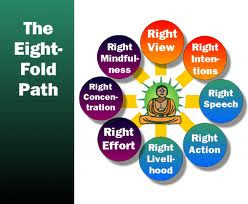
Right View
Right Intention
Right Speech
Right Action
Right Livelihood
Right Effort
Right Mindfulness
Right Concentration
This all makes sense on a very practical level. If we are not acting in such a way that we are creating conflict and discord, the environment in which we live will be more pleasant, less stressful and our mind will naturally be more settled.
Practicing mindfulness is particularly beneficial because it help us become aware of excessive worrying and put our awareness back on what is at hand. Cultivating mindfulness over a period of time helps us to become calmer and more balanced. We may still get surprised, disappointed, and upset, but these feelings are shorter and shorter lived. We don't harbor ill feelings in our hearts and naturally begin each new day with a blank slate. Ill feeling harbored in our hearts act like a computer virus in a computer. Mindfulness is like an anti-virus program that detects and fixes worrisome, fearful, aggressive, or hurtful thoughts.
What to Do about Restlessness During Meditation
Ok, so now you are living a good, wholesome, healthy, virtuous life. How come there is still restlessness. First of all, it is the nature of the mind to think thoughts. There is nothing unnatural about it. In some forms of meditation, the meditator simply acknowledges the thought that has arisen and then gently redirects the focus back to the method. So if you are following the breath and the mind has drifted to a thought, you simply let go of the thought, relax, and go back to mindfulness of breathing.
If thoughts still arise and lead to other thoughts, you may need to gently put a bit more effort into staying with the breath. There are some ways of doing this that seem to work for some people and other ways that work better for others. One way is to count each exhalation until you get to ten exhalations, and then start all over at one again (count the breaths). Another way that is to more actively participate in the experience of breathing. For example, be aware of how the breath begins, the duration, how it ends without controlling the breath. One that I like is to feel appreciation for the life-giving inhalation and the purifying and relaxing exhalation. My personal favorite is to focus on totally relaxing into each breath, to fully rest in the breath, totally letting go with each new inhalation and exhalation. This tends to very quickly settle both the mind and body and can lead to a very relaxed, alert state from which it is good to start practicing Silent Illumination.
Silent Illumination can be difficult to practice if you don't have good methods of dealing with restlessness. Because you are putting your awareness on the entire body at once, it can be elusive and more difficult to stay with that the breath. In that case, you might go back to following the breath using one of the techniques I mentioned above to focus and settle the mind. When the mind is less scattered and more unified, and you are fully present in each breath, then shift the focus to full awareness of the body just sitting. This will very quickly lead to a state where the boundaries of the body and environment begin to blur and then disappear and you can just be aware of the environment "just sitting". By this time, the mind will be very settled and you'll be able to continue effortlessly.
Everyone moves through periods of restlessness and drowsiness and everyone learns to deal with them in their own way. Sometimes one way is more effective and sometimes another. This is part of the skill of meditating that can only be developed over time. I still feel very much like a beginner and still have days that seem more problematic than others. My wife and I separated on April 13th and then on May 7th I was laid off and still haven't found a job. I'm now going through a divorce. These kinds of things can be unsettling. Practice Metta, Loving Kindness, and Karuna, Compassion, on yourself and on those that are being disagreeable in your life and this will go a long way to making each new day a great new day for practice!
There are many causes of restlessness. The fact that you choose to sit during a time when you are feeling restless is coincidental. It's just that you become acutely aware of restlessness during meditation. So first, lets look at the causes of restlessness and what can be done about them before meditation. Then, let's look at what we can do about restlessness during meditation.
Causes of Restlessness and Some Possible Remedies
We all have days when we have more energy than usual. This can be physical or mental energy. Generally, we like to have positive energy. It helps us be productive at work, have fun at play, and makes us feel alive! Positive mental and physical energy is a result of a balanced, healthy and wholesome lifestyle. When we eat fresh, wholesome, nutritious food, get enough daily exercise, have a good daily routine, don't subject ourselves to unnecessary stress, have a practice that helps us manage stress, and get sufficient sleep, chances are we will have considerably more energy that we would if our lifestyle was not so healthy. If you are the type that wakes up and feels like jogging, sitting in meditation might be a bit of a struggle at that time. This is why yogis traditionally did yogasanas before meditating, to improve fitness, circulation, mindfulness, and lower excessive energy. They also did mindful breathing exercises after yogasanas to reduce inertia and dullness just before meditating. By the time the yogi sits to meditate, her energy is balanced, her mind is well oxygenated and clear, and she begins meditation in an optimal state. Even at Chan retreats at DDRC, we do walking meditation, yogasanas and forms of "moving meditation" to balance the practice of sitting meditation. So, if you have high energy, you might do the Eight Forms Moving Meditation, walking meditation, or yogasanas before sitting meditation (a little pranayama wouldn't hurt either).
Eight Forms Moving Meditation
Sometimes, maybe too often, restlessness can occur because of energy of a more negative quality.This can happen because we are eating foods or drinking beverages that have a stimulating effect on the body and mind. It can happen because we are worrying, which causes restlessness but can also lead to dullness. Or, we can be restless because we feel uncomfortable about something we have done or said. Restlessness is a natural byproduct of worry, aversion, fear, anger, and hatred on the one hand, and craving, selfishness, greed, and lust on the other. This is why, especially in the Theravada Buddhist tradition, yogis are first taught Śīla (Sanskrit) or sīla (Pali), or virtue and moral discipline. You can learn to meditate, but from a practical standpoint if you are doing things that go against the fundamental precepts you are sure to have restlessness in your meditation. The Five Precepts are:
- Refraining from killing.
- Refraining from taking that which is not freely given (stealing).
- Refraining from sexual misconduct.
- Refraining from lying or deceiving.
- Refraining from intoxicants.
We are also taught to be aware of the Three Poisons: greed, hatred, and ignorance, and be mindful of the Noble Eightfold Path.

Right View
Right Intention
Right Speech
Right Action
Right Livelihood
Right Effort
Right Mindfulness
Right Concentration
This all makes sense on a very practical level. If we are not acting in such a way that we are creating conflict and discord, the environment in which we live will be more pleasant, less stressful and our mind will naturally be more settled.
Practicing mindfulness is particularly beneficial because it help us become aware of excessive worrying and put our awareness back on what is at hand. Cultivating mindfulness over a period of time helps us to become calmer and more balanced. We may still get surprised, disappointed, and upset, but these feelings are shorter and shorter lived. We don't harbor ill feelings in our hearts and naturally begin each new day with a blank slate. Ill feeling harbored in our hearts act like a computer virus in a computer. Mindfulness is like an anti-virus program that detects and fixes worrisome, fearful, aggressive, or hurtful thoughts.
What to Do about Restlessness During Meditation
Ok, so now you are living a good, wholesome, healthy, virtuous life. How come there is still restlessness. First of all, it is the nature of the mind to think thoughts. There is nothing unnatural about it. In some forms of meditation, the meditator simply acknowledges the thought that has arisen and then gently redirects the focus back to the method. So if you are following the breath and the mind has drifted to a thought, you simply let go of the thought, relax, and go back to mindfulness of breathing.
If thoughts still arise and lead to other thoughts, you may need to gently put a bit more effort into staying with the breath. There are some ways of doing this that seem to work for some people and other ways that work better for others. One way is to count each exhalation until you get to ten exhalations, and then start all over at one again (count the breaths). Another way that is to more actively participate in the experience of breathing. For example, be aware of how the breath begins, the duration, how it ends without controlling the breath. One that I like is to feel appreciation for the life-giving inhalation and the purifying and relaxing exhalation. My personal favorite is to focus on totally relaxing into each breath, to fully rest in the breath, totally letting go with each new inhalation and exhalation. This tends to very quickly settle both the mind and body and can lead to a very relaxed, alert state from which it is good to start practicing Silent Illumination.
Silent Illumination can be difficult to practice if you don't have good methods of dealing with restlessness. Because you are putting your awareness on the entire body at once, it can be elusive and more difficult to stay with that the breath. In that case, you might go back to following the breath using one of the techniques I mentioned above to focus and settle the mind. When the mind is less scattered and more unified, and you are fully present in each breath, then shift the focus to full awareness of the body just sitting. This will very quickly lead to a state where the boundaries of the body and environment begin to blur and then disappear and you can just be aware of the environment "just sitting". By this time, the mind will be very settled and you'll be able to continue effortlessly.
Everyone moves through periods of restlessness and drowsiness and everyone learns to deal with them in their own way. Sometimes one way is more effective and sometimes another. This is part of the skill of meditating that can only be developed over time. I still feel very much like a beginner and still have days that seem more problematic than others. My wife and I separated on April 13th and then on May 7th I was laid off and still haven't found a job. I'm now going through a divorce. These kinds of things can be unsettling. Practice Metta, Loving Kindness, and Karuna, Compassion, on yourself and on those that are being disagreeable in your life and this will go a long way to making each new day a great new day for practice!
Saturday, February 27, 2010
Reading the Sutras as Practice
While reading books on Buddhism by knowledgeable, accomplished masters is valuable, there is nothing like reading Buddhist sutras themselves. For study, it is particularly useful to read the Nikayas. Reading the Nikayas is like having Shakaymuni Buddha sitting right in front of you teaching you directly. But, as a form of meditative practice, reading the Mahayana sutras is quite wonderful. Lately, I've been reading the Huayen Jing, the Flower Adornment Sutra, before I meditate. It is especially useful to read it aloud. Doing so has a great calming effect on the mind and expands the heart. Reading or reciting the sutras can bring about realizations that could not have happened so easily or quickly any other way.
This is akin to the old Christian practice of Lectio Divina in which one would read the scriptures as a form of meditation, reading from the heart, resting on the words as they are read, sinking in. Unfortunately, this practice has fallen away in Christianity, like so many of its traditions that could lead modern followers to deeper levels of insight.
Fortunately, Buddhism still sustains the tradition of recitation of sutras, though this practice hasn't taken root in the West like it has in older Buddhist cultures. Reading aloud the Buddhist sutras is so vital to ones development and is such a great complement to sitting and walking meditation, it's a shame that is it overlooked and neglected in the West.
Try an experiment. Buy the Flower Adornment Sutra Volume One by Thomas Cleary (you might be able to find a used one on Amazon - new ones are expensive) and read it out loud for about 15 minutes before you meditate and see what affect it has on your meditation. When you read it, read as practice. If your mind wonders, gently pull it back to focus on what you are reading. It's not important to read for understanding, but more for natural visualization. Just read with focused clarity but don't engage the intellect. Let yourself rest in the flow of the words in a relaxed but alert way. This can be a very mind and heart expanding experience, especially with the Flower Adornment Sutra. My Shifu , Venerable Master Sheng Yen, recommended this sutra to me 25 years ago and I am only just beginning to see why. I wish I would have made it part of my daily practice so many years ago! It is really quite wonderful.
This is akin to the old Christian practice of Lectio Divina in which one would read the scriptures as a form of meditation, reading from the heart, resting on the words as they are read, sinking in. Unfortunately, this practice has fallen away in Christianity, like so many of its traditions that could lead modern followers to deeper levels of insight.
Fortunately, Buddhism still sustains the tradition of recitation of sutras, though this practice hasn't taken root in the West like it has in older Buddhist cultures. Reading aloud the Buddhist sutras is so vital to ones development and is such a great complement to sitting and walking meditation, it's a shame that is it overlooked and neglected in the West.
Try an experiment. Buy the Flower Adornment Sutra Volume One by Thomas Cleary (you might be able to find a used one on Amazon - new ones are expensive) and read it out loud for about 15 minutes before you meditate and see what affect it has on your meditation. When you read it, read as practice. If your mind wonders, gently pull it back to focus on what you are reading. It's not important to read for understanding, but more for natural visualization. Just read with focused clarity but don't engage the intellect. Let yourself rest in the flow of the words in a relaxed but alert way. This can be a very mind and heart expanding experience, especially with the Flower Adornment Sutra. My Shifu , Venerable Master Sheng Yen, recommended this sutra to me 25 years ago and I am only just beginning to see why. I wish I would have made it part of my daily practice so many years ago! It is really quite wonderful.
Wednesday, December 2, 2009
Distorted and Defiled Religion
I listened to President Obama's speech last night about sending 30,000 more troops to Afghanistan. First of all, I don't agree with sending more U. S. troops to Afghanistan. The security of Afghanistan is an international concern and there should be a balanced international presence there. This isn't our war and it is not a war that can be won with guns. It's an occupational hazard for the president as commander-in-chief to ask generals what they need to solve the world's problems. If you ask a general what they want to fix Afghanistan, of course the general will say more troops, more guns, more equipment. It's the wrong question to the wrong person. As president, not as commander-in-chief, but as president, Obama should be asking those that really know how to fix Afghanistan's problem. And what is the problem?
President Obama, to his credit, hit the problem squarely on the head when he said that extremists have "distorted and defiled Islam". The problem is a malignant ideology. You cannot fight the spread of a distorted view by sending more U. S. troops. This is a war over the minds of young men and women, not just in Afghanistan, but around the world. As such, the best way to fight this war is for people to bear the good fruits of their faiths, the acts of kindness and compassion that lead to understanding and illumine the true path in life. The problem is, Islam is not the only religion that has been distorted and defiled by those that have only greed and hatred in their hearts which distorts their view of not just their religion, but of politics, morals, and all aspects of life.
In Buddhism, the first path of the Noble Eightfold Path is Right View. Right view is fundamentally understanding what all the great religions have taught. Perhaps Jesus said it best, "As you sow, so shall you reap". With just this much knowledge from the world's great religions, we can see not only how distorted and defiled Islamic extremists have twisted the religion of Islam, but how many churches, temples, synagogues, and mosques have distorted and defiled religion by condoning the use of military force to win a war of the mind and heart. If only they would just stick to practicing their true faith, loving neighbor as self, sowing good seed to reap good fruit, seeking the kingdom of heaven within, visiting those in prison, feeding the poor, caring for the sick to use a few Christian examples, the correct view would become apparent. This is a war against ignorance, greed and hatred. It cannot be won with guns. Killing the enemy only creates more hatred which only gives rise to even more enemies. What must be killed is the greed, hatred, and ignorance. This can only be done through compassionate charity, loving kindness, and wisdom.
Friday, April 24, 2009
The Middle Way
Treading the Middle Way gives us balance and life-affirming momentum that is easily overlooked until we think, say, or do something that is not so balanced or life-affirming. It's as if we are flowing easily down a stream unaware of our motion until we drift from center and come in contact with the rocky shore. Hitting the boulders on either side of the stream can make us quite suddenly aware of our spiritual momentum and hopefully will reinforce our commitment to remaining mindfully in the center.
When we establish a daily practice of meditation, we begin to expand the breadth and depth of our awareness. We become more sensitive to things that dull our awareness or inhibit the clarity of meditation.
Yet sometimes we may not be entirely conscious of our progress and we might temporarily fall back into old habits. We might get too busy to meditate and start skipping our daily sitting. Or we might stay up late and be too tired to meditate the next day. We're getting close to the wall of the tube. Then, we begin to loose the contentment we generally experience and start thinking we need things we normally wouldn't desire. Perhaps we go out with friends and have a few drinks on the weekend. We wake up dehydrated and feeling miserable. This affects our mood and because we lack the clarity to be mindful of our state, we are irritible and easily annoyed by things that otherwise wouldn't bother us when our practice is steady. It's a downward spiral from there. Life can quickly become very unpleasant and since we've now completely lost our perspective, we chase after any fleeting sensory pleasure that makes us forget our miserable existence. The good fortune we used to take for granted seems to have waned and we get a traffic ticket, drop something and break it, or something is stolen from us. Bad things start happening and our life no longer feels blessed. We begin to feel insecure and doubt our future. Life close to the wall is turbulent!
If we are fortunate enough to realize that we've drifted dangerously from center, we'll rededicate ourselves to our practice and to a lifestyle that helps us maintain it. As quickly as this happens, our life once again seems to be blessed, to just flow. Our perspective expands, we once again become aware of the rising and falling of our breath, of fleeting thoughts and emotions. We are once again more steadily mindful.
The Buddha spoke of the Middle Way with respect to the eternalist and nihilist views predominant in India of his day. But he also offered the perspective of the Noble Eightfold Path and recommended following precepts of moral conduct to ensure the quickest progress possible could be maintained by his followers. Practicing Buddhists, especially those cultivating their minds through meditation and mindfulness, should hold to the five most basic precepts to keep to the center and tread the Middle Way:
1. Abstaining from killing and supporting life.
2. Abstaining from stealing and practicing generocity.
3. Abstaining from sexual misconduct and cultivating loving kindness, compassion, and altruistic joy.
4. Abstaining from divisive or false speech and pursuing truth.
5. Abstaining from intoxicants and cultivating the mind through meditation and mindfulness.
Although the 5 Precepts are generally discussed in terms of the abstentions, Buddha also emphasized their positive correlates since there is no better way to abstain from something that drags us down than to make energetic progress in the virtues that lift us up and give true meaning to life.
There is an unfortunate trend in the West and also in the East to fashion ones own version of Buddhism by de-emphasizing the importance of the precepts, of regular practice, of the Eightfold Path, and in essence, of Buddha's teaching. This is rooted in self-pride, craving, and ignorance, which are in direct opposition to what true Buddhism naturally cultivates when properly followed with respect for the teaching and the Buddha. These self-deluded, would-be Buddhists love to say that the Buddha himself said to question everything. They use this as license to craft their own version of Buddhism that allows for their personal foibles, vices, and vexations. Buddhism without sincerely striving to cultivate the mind through meditation and mindfulness, and the heart through the practice of generosity and compassion, is without value, just as Christianity without practicing what Jesus taught is just a cult of convenience. The life of the Christian faith is in feeding the Christ in the poor, visiting the Christ in prisoners, caring for the Christ in the physically and mentally ill. Likewise, Buddhists should strive to see clearly everything that arises and passes away from moment to moment while working for the liberation of others. The five precepts help greatly in this regard.
When we feel our lives are getting a bit rough, when we feel our luck is down, when we no longer feel grounded or centered and everything overshadows our clarity, we need to take that as a sign that we may be straying from the Middle Way. This is true for individuals, for families, for companies, communities, and for nations. We should take it as a sign that we are straying from the center, or in Christian terms, the narrow gate, and rededicate ourselves to the practice of medition, mindfulness, the study of Buddha's teaching, and compassion for others. Life will quickly and naturally return to a more comfortable flow, contentment will grow, and kindness and clarity will again be the common, everyday experience.
When we establish a daily practice of meditation, we begin to expand the breadth and depth of our awareness. We become more sensitive to things that dull our awareness or inhibit the clarity of meditation.
Yet sometimes we may not be entirely conscious of our progress and we might temporarily fall back into old habits. We might get too busy to meditate and start skipping our daily sitting. Or we might stay up late and be too tired to meditate the next day. We're getting close to the wall of the tube. Then, we begin to loose the contentment we generally experience and start thinking we need things we normally wouldn't desire. Perhaps we go out with friends and have a few drinks on the weekend. We wake up dehydrated and feeling miserable. This affects our mood and because we lack the clarity to be mindful of our state, we are irritible and easily annoyed by things that otherwise wouldn't bother us when our practice is steady. It's a downward spiral from there. Life can quickly become very unpleasant and since we've now completely lost our perspective, we chase after any fleeting sensory pleasure that makes us forget our miserable existence. The good fortune we used to take for granted seems to have waned and we get a traffic ticket, drop something and break it, or something is stolen from us. Bad things start happening and our life no longer feels blessed. We begin to feel insecure and doubt our future. Life close to the wall is turbulent!
If we are fortunate enough to realize that we've drifted dangerously from center, we'll rededicate ourselves to our practice and to a lifestyle that helps us maintain it. As quickly as this happens, our life once again seems to be blessed, to just flow. Our perspective expands, we once again become aware of the rising and falling of our breath, of fleeting thoughts and emotions. We are once again more steadily mindful.
The Buddha spoke of the Middle Way with respect to the eternalist and nihilist views predominant in India of his day. But he also offered the perspective of the Noble Eightfold Path and recommended following precepts of moral conduct to ensure the quickest progress possible could be maintained by his followers. Practicing Buddhists, especially those cultivating their minds through meditation and mindfulness, should hold to the five most basic precepts to keep to the center and tread the Middle Way:
1. Abstaining from killing and supporting life.
2. Abstaining from stealing and practicing generocity.
3. Abstaining from sexual misconduct and cultivating loving kindness, compassion, and altruistic joy.
4. Abstaining from divisive or false speech and pursuing truth.
5. Abstaining from intoxicants and cultivating the mind through meditation and mindfulness.
Although the 5 Precepts are generally discussed in terms of the abstentions, Buddha also emphasized their positive correlates since there is no better way to abstain from something that drags us down than to make energetic progress in the virtues that lift us up and give true meaning to life.
There is an unfortunate trend in the West and also in the East to fashion ones own version of Buddhism by de-emphasizing the importance of the precepts, of regular practice, of the Eightfold Path, and in essence, of Buddha's teaching. This is rooted in self-pride, craving, and ignorance, which are in direct opposition to what true Buddhism naturally cultivates when properly followed with respect for the teaching and the Buddha. These self-deluded, would-be Buddhists love to say that the Buddha himself said to question everything. They use this as license to craft their own version of Buddhism that allows for their personal foibles, vices, and vexations. Buddhism without sincerely striving to cultivate the mind through meditation and mindfulness, and the heart through the practice of generosity and compassion, is without value, just as Christianity without practicing what Jesus taught is just a cult of convenience. The life of the Christian faith is in feeding the Christ in the poor, visiting the Christ in prisoners, caring for the Christ in the physically and mentally ill. Likewise, Buddhists should strive to see clearly everything that arises and passes away from moment to moment while working for the liberation of others. The five precepts help greatly in this regard.
When we feel our lives are getting a bit rough, when we feel our luck is down, when we no longer feel grounded or centered and everything overshadows our clarity, we need to take that as a sign that we may be straying from the Middle Way. This is true for individuals, for families, for companies, communities, and for nations. We should take it as a sign that we are straying from the center, or in Christian terms, the narrow gate, and rededicate ourselves to the practice of medition, mindfulness, the study of Buddha's teaching, and compassion for others. Life will quickly and naturally return to a more comfortable flow, contentment will grow, and kindness and clarity will again be the common, everyday experience.
Subscribe to:
Posts (Atom)